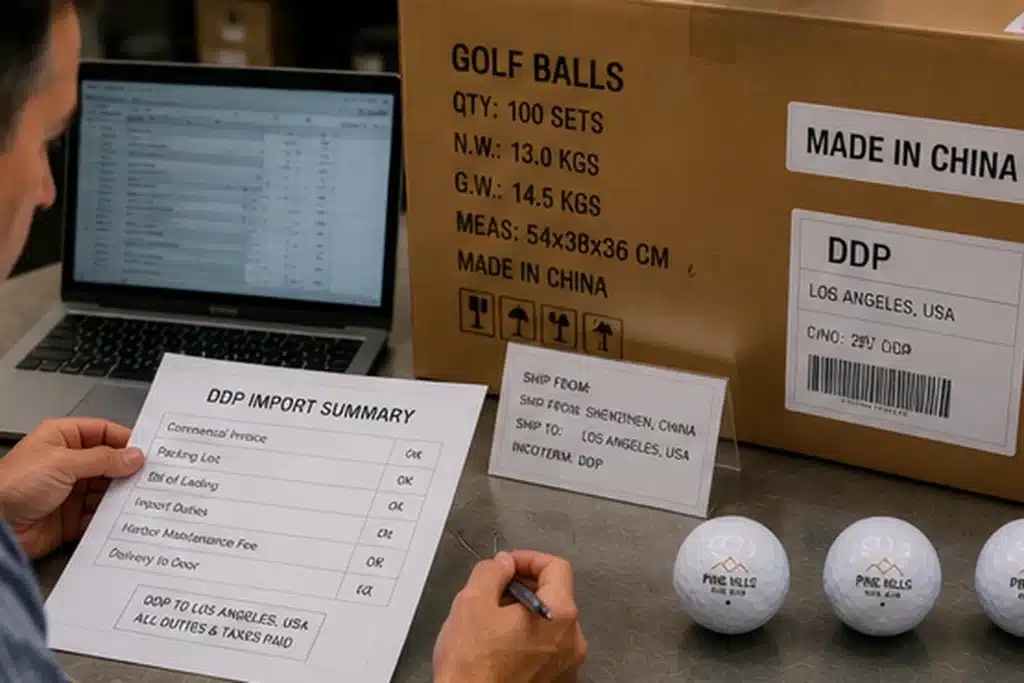
LED golf balls can be safe for drivers in most night-event use when the shell is smooth, the seam is clean, and the batch has been checked for visible defects before bulk approval. The real buying risk is usually not “hard feel” alone, but poor surface integrity, weak activation consistency, logo failure, and incomplete battery paperwork.
That is why you should not buy LED golf balls like a novelty item. You should approve them like an event-use product with a written quantity plan, seam-photo proof, activation proof, print-durability proof, and a battery-document check before deposit.
You are not only buying something that glows. You are buying something that must survive budget review, sample approval, event-day pressure, and delivery timing. The useful questions are not just “Do these light up?” or “Can you print our logo?” The useful questions are: how many do you need, what can actually damage confidence on site, what proof should you request before deposit, and which supplier behaviors signal trouble before production even starts?
This guide is built for buyers who need a number they can defend, a proof pack they can request, and a supplier process that holds up under real event deadlines. Instead of asking whether LED balls are “good,” it shows what you should verify before deposit.
How Many LED Golf Balls Should You Order?
Running short feels amateur. Over-ordering feels careless. Night events make both mistakes more visible because ball loss is only part of the story. You are also buying for weak activations, replacement stock, uneven player skill, sponsor expectations, and the simple fact that one dead ball in the wrong foursome can attract more attention than ten working balls in reserve cartons.
Do not buy LED balls by feel or by sleeve count alone. Build your order from player count, expected loss behavior, on-site swap stock, and a reserve buffer, then present that number as an event-control plan rather than a guess.
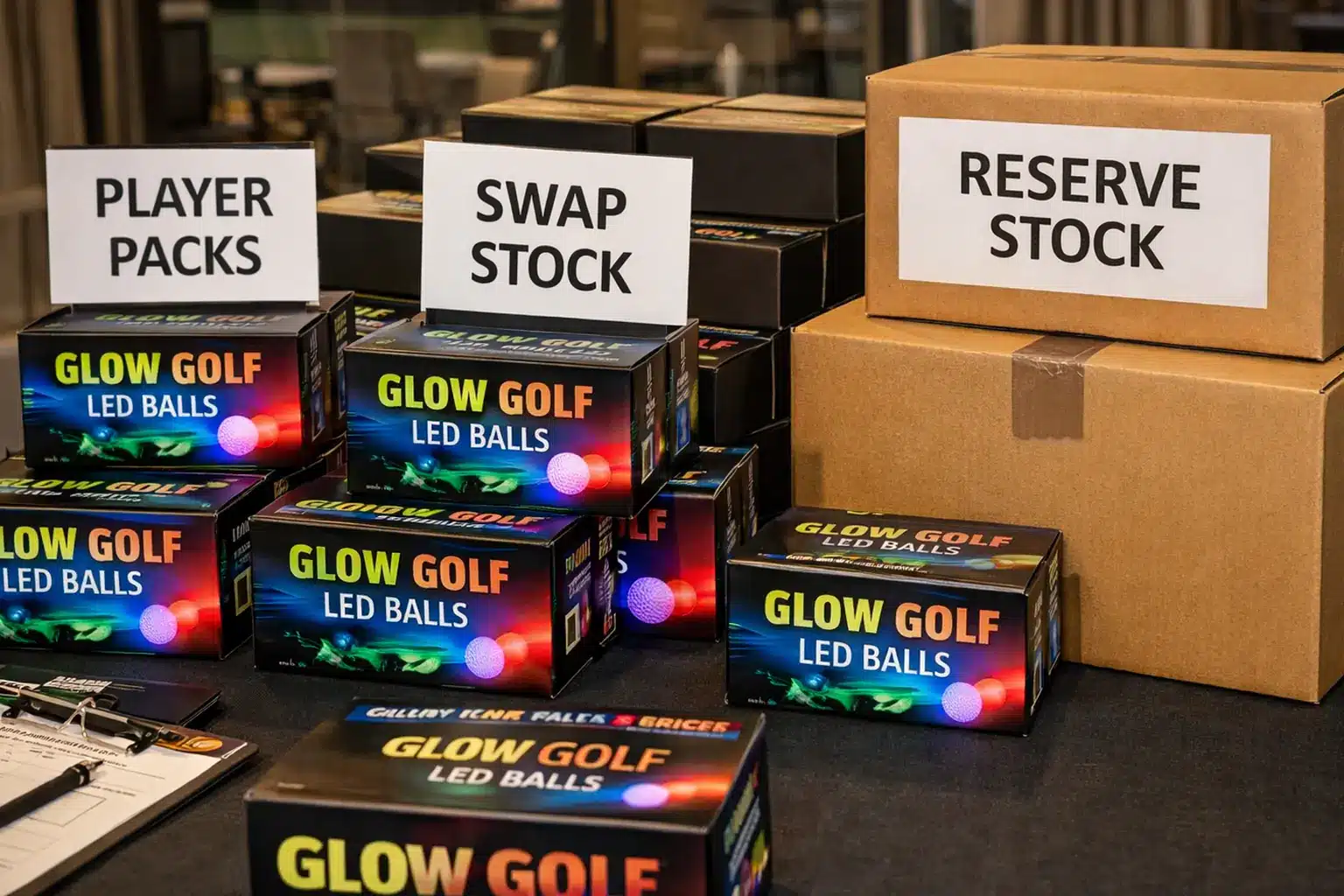
A planning formula you can defend internally
The stress here is usually managerial before it is mathematical. If someone asks why you ordered 252 instead of 180, “it felt safer” is not an approval-grade answer. The stronger answer is to split the quantity into three buckets: player allocation, on-site swap stock, and reserve stock. That turns one fuzzy quantity into an operations model.
For a standard 9-hole corporate night scramble, many buyers use 3.0–3.5 balls per player as a practical planning band. Tighter par-3 or novelty formats can sit lower. Water-heavy layouts, beginner-heavy fields, or sponsor-sensitive events often justify 4.0+. The useful part is not pretending those bands are universal. The useful part is writing down the assumptions: format, field skill mix, hazard density, visibility conditions, and how aggressively you want to protect the event from embarrassment.
| Event setup | Planning rule | When it fits | Next step |
|---|---|---|---|
| Par-3 or novelty format | 2.0–2.5 balls/player | Tight layout, lower loss exposure | Buy lean and keep a starter-table reserve |
| Standard 9-hole corporate scramble | 3.0–3.5 balls/player | Mixed-skill sponsor or client events | Separate player packs from swap stock |
| Water-heavy or zero-failure VIP event | 4.0+ balls/player | High embarrassment risk if supply runs short | Label premium reserve cartons before the event |
These planning bands are not universal industry standards. They are buyer-side budgeting ranges that should be adjusted for format, hazard density, player mix, visibility conditions, and sponsor-service expectations.
That adjustment matters because the biggest ordering error is often not “too few in total.” It is “enough in total, wrong on site.” If player packs, swap stock, and reserve stock are not separated, staff end up tearing open backup cartons too early, and nobody can tell whether the shortage came from loss, activation issues, or poor allocation logic.
Write the PO quantity as player allocation + on-site swap stock + reserve stock, each packed and labeled separately. Then ask the supplier to confirm inner-pack counts and carton math against your event format. That gives you a written allocation sheet you can share internally before approval.
One more discipline helps when timing is tight: do not let presentation complexity outrun operations logic. If the event date matters more than premium retail-style packaging, freeze the player-pack format early and simplify reserve packaging. Fancy presentation can wait. Missing stock at registration cannot.
✔ True — Quantity planning is an operations decision
The safest number is the one tied to player count, format, hazards, swap logic, and reserve logic. When you present it that way, you are asking for controlled event inventory, not “a few extra cartons just in case.”
✘ False — “One standard sleeve per player is always enough for a night event.”
That might survive a tidy daytime novelty round. It can fail quickly once darkness, rough, water, weak activations, and sponsor-facing recovery become part of the event reality.
Are LED Golf Balls Safe for Drivers?
The nightmare is not a technical argument. It is a guest, sponsor, or VIP who believes your event ball scratched an expensive driver. Once that complaint starts, nobody wants to hear a lecture about “mid-firm feel” or “close to a normal ball.”
Do not buy “soft.” Buy “smooth.” For most event use, the safer approval logic is a defect-free shell, clean seam, and documented sample inspection routine rather than a supplier’s loose claim that the ball feels close to a regular model.
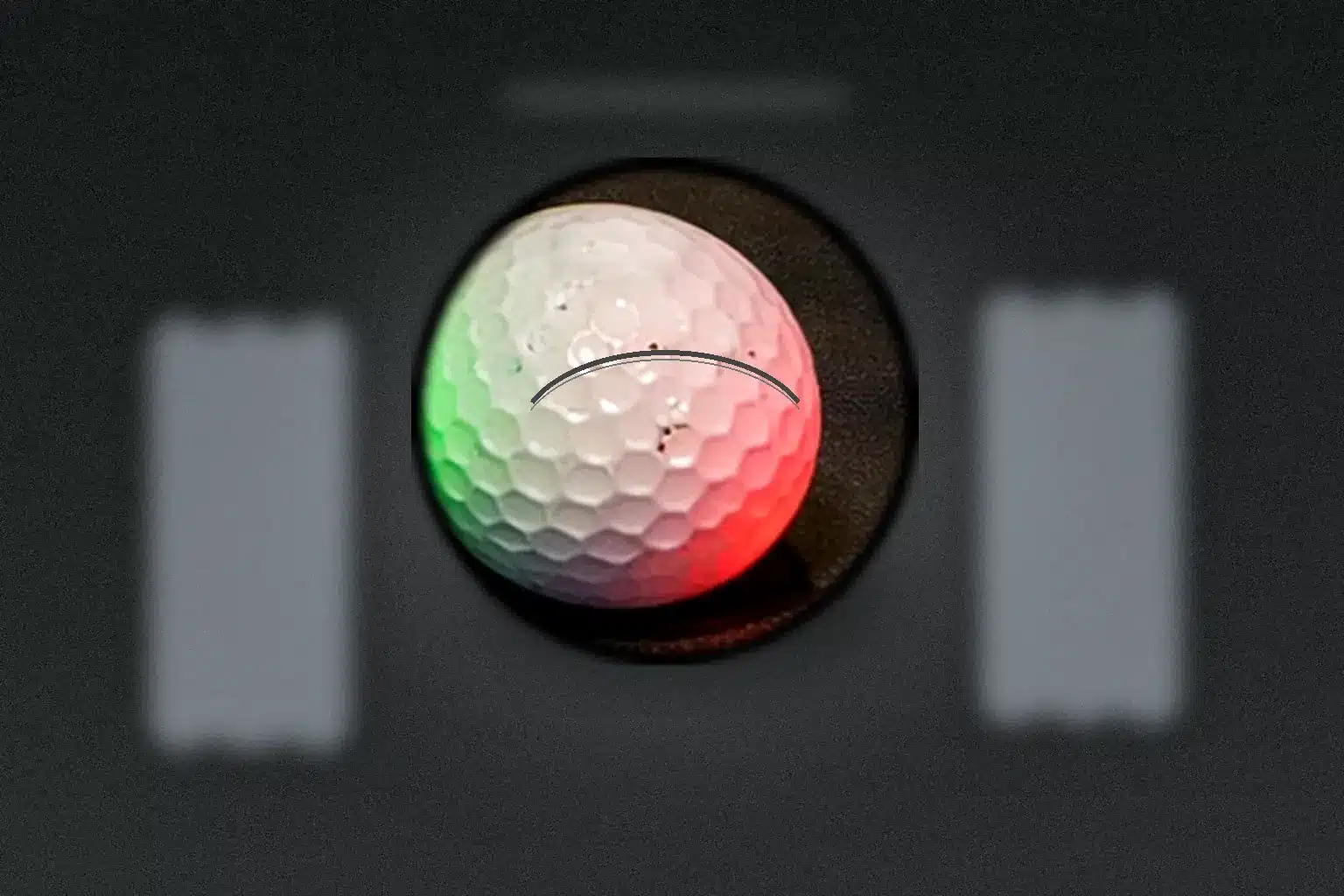
Why surface integrity beats compression talk
Your safest buying lens is surface integrity. A rough seam, raised flash line, burr, hard edge, or ugly shell scuff is a controllable red flag. Compression language is not. The clubface meets the shell, not the brochure. So when a supplier says the ball feels “not too hard,” bring the conversation back to what you can inspect, reject, and document.
Start with seam macro photos and close-up shell photos before you approve the pilot. Then run a simple hit-and-inspect routine on samples under venue-like conditions. If the event is likely to be cold, sample in cold-like handling conditions too. A ball that seemed harmless in a warm office can feel noticeably different on an outdoor tee box, and buyer confidence usually drops faster than the temperature.
This is also where batch consistency matters more than one attractive sample. Sample looks premium, but no batch report exists is not a comfort signal. It means you are being asked to trust appearance instead of control. A stronger supplier can support the sample with a 12-ball consistency report that notes the measuring method for weight, hardness or compression, and balance or concentricity checks. What matters is not one nice sample. What matters is whether the lot behaves consistently enough to keep event complaints low.
That lot-based view matters especially for LED builds. If the shell finish varies, if concentricity drifts, or if one subset of the lot behaves differently after impact, the event team experiences the result as “these balls are inconsistent,” even if the average sample looked acceptable.
A practical approval rule looks like this: reject any sample showing raised seam flash, burrs, rough shell scratches, exposed insert-edge defects, or abnormal post-hit surface breakup. If it would make you hesitate in front of a sponsor, it should not pass.
Use one acceptance clause in the file before deposit: Bulk acceptance shall be based on approved seam photos, sample-lot inspection results, activation proof, and defect standards agreed before deposit. Goods with raised seam flash, burrs, severe shell scuffs, or abnormal post-hit surface breakup are non-conforming.
The buying lesson is simple and easy to remember: you are not buying a promise that the ball is “safe enough.” You are approving a surface condition that is smooth enough, consistent enough, and controlled enough to lower avoidable complaint risk.
✔ True — Surface integrity is the buyer-controlled safety lever
A clean seam and defect-free shell give you something inspectable, documentable, and enforceable. That is far more useful than debating whether one supplier’s “soft feel” language sounds convincing enough.
✘ False — “A low-sounding compression description proves driver safety.”
Feel language is not a substitute for seam photos, shell close-ups, and a written defect standard. Buyers reduce risk when they approve what can be seen, measured, and rejected.
Which Activation Method Fails Less On-Site?
A glowing ball that behaves inconsistently is worse than a plain ball that never promised much. Once players begin saying “some of these don’t work,” the event stops feeling premium and starts feeling improvised.
Separate runtime into what players actually see and what batteries may deliver in theory. The buyer-safe proof is a stopwatch video for one full activation cycle plus repeat-activation evidence, not a lonely total-hours claim on a spec sheet.
Per-activation timer vs total runtime
Many buyers ask this as “How long do LED golf balls actually last?” The useful answer is: not all runtime claims describe the same thing.
📽️ Watch how our LED golf balls work in action (20s video):
Your real KPI is not abstract battery life. It is visible usefulness inside the rhythm of the event. Can players hit, find, and keep pace without staff stepping in every few minutes? That is why activation type matters. Impact-activated and switch-style products can both sound attractive in a product sheet while behaving very differently on the course.
Impact-activated designs are usually easier for larger groups because nobody has to learn anything. That simplicity matters more than buyers sometimes admit. Switch or timer-less options can work well for VIP play or longer search windows, but they add cost, player handling, and more chances for uneven user experience. The better question is not what sounds more advanced. It is what fails less in your format.
| Activation type | Best for | Main risk | Proof to request | Next step |
|---|---|---|---|---|
| Impact-activated timer | Fast giveaways and group events | Misfires or timer mismatch | Stopwatch video from strike to shutoff | Add an on-site immediate-swap rule |
| Switch or timer-less | VIP play and longer search windows | More user instruction and higher unit cost | Video showing on/off behavior and stable glow | Write brief player-use instructions into the event sheet |
The proof pack should be short but specific: one stopwatch video showing a full activation cycle, one repeat-use video showing relighting consistency, and one written event SOP that says non-lighting or weakly lighting balls are swapped immediately. That last line matters because your staff should never be forced to troubleshoot battery behavior in front of guests.
If a supplier offers only “up to X hours” language and no timer proof, you still do not know what the player sees on hole three. If the activation video is edited, shot in flattering conditions, or avoids showing the shutoff point, you still do not know what one real-use cycle looks like. And if the event team has no immediate-swap rule, every weak activation turns into a mini debate at the worst possible time.
So the approval standard should be operational, not promotional: one clear cycle video, one repeat-use proof, one pass/fail log, and one written replacement rule. That is enough to keep most activation surprises from reaching guests.
LED or Glow-in-the-Dark for Your Event?
These two products often get treated like cousins. Operationally, they are not. One is usually built around immediate visibility and smoother pace. The other can depend on charging discipline, fade tolerance, and tighter supervision.
This is a workflow choice before it is a brightness choice. LED usually wins when you need smoother pace, easier ball finding, and lower staff intervention, while glow-in-the-dark only works well when charging and fade management are part of the plan.
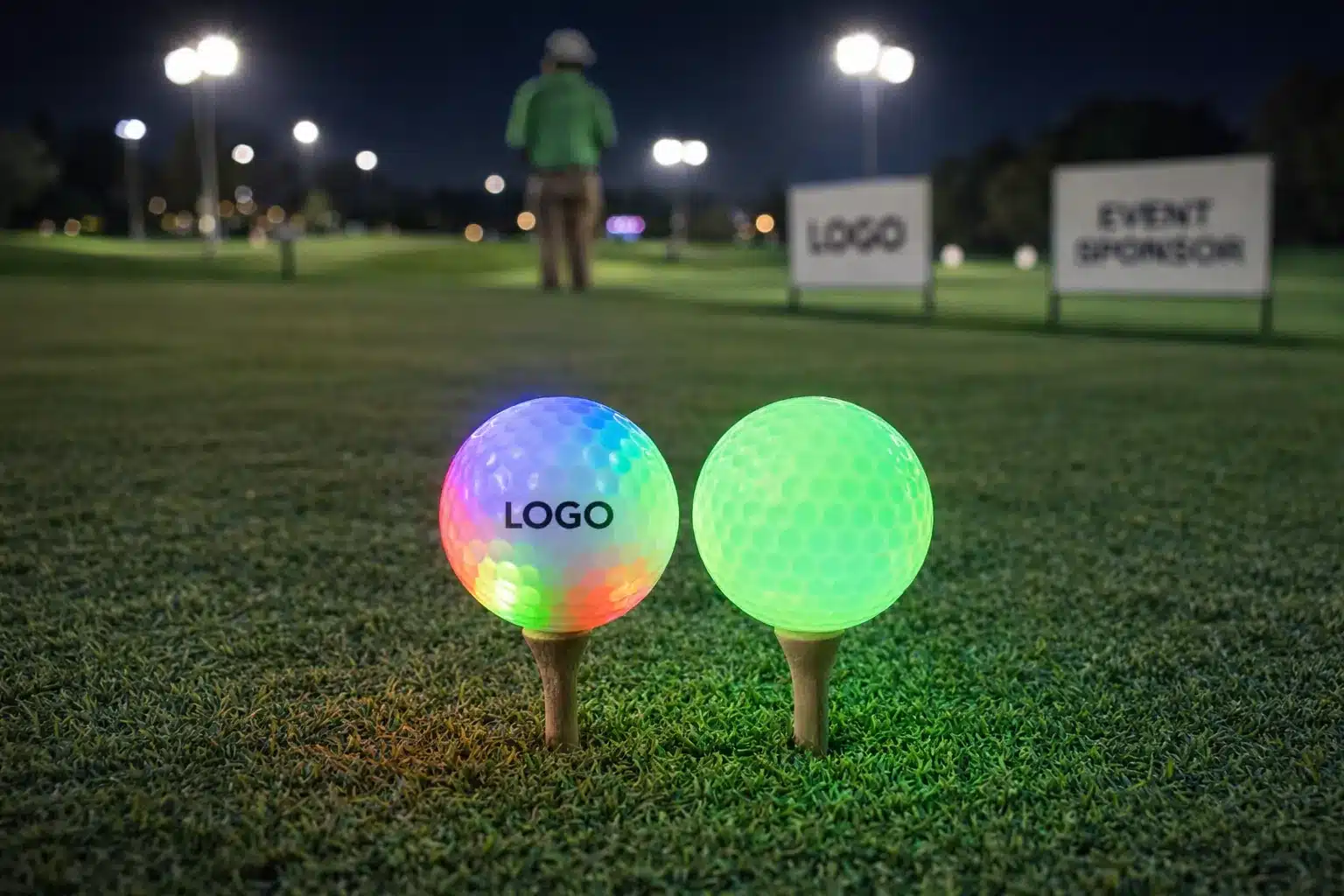
Pace-of-play versus visibility control
If your event is sponsor-facing, mixed-skill, and short on staff, LED usually has the cleaner logic because the product activates through play rather than through an extra station or ritual. That lowers friction. It also reduces the chance that one group gets a noticeably better experience than another just because one marshal remembered to recharge a tray and another did not.
Glow-in-the-dark can still work in short novelty segments, small par-3 setups, or controlled hospitality moments where the visual effect matters more than pace. But it is not a drop-in substitute. If the product needs charging and fades quickly, that becomes your team’s problem. If your team cannot support that workflow, the lower-cost option becomes the higher-risk option.
That is why the decision should be documented with proof, not preference. Ask for side-by-side daylight and low-light photos or video under the same camera setup. Then ask for a one-line workflow note: charge-dependent, switch-dependent, or impact-activated. Finally, decide whether your staffing can support that behavior without slowing the event. If not, you already have your answer.
This is also where buyer discipline protects branding. A ball may look impressive in dark studio photography but still perform poorly in a real event environment with rough edges, tree lines, patchy lighting, and impatient players. Approve for workflow first. Approve for appearance second. That sequence saves more events than the reverse.
✔ True — Staffing and pace should drive the choice
LED generally reduces intervention because the event workflow and the product workflow match each other. Glow-in-the-dark products can still work, but only when charging and fade behavior are already built into your plan.
✘ False — “Glow-in-the-dark is a drop-in substitute for LED.”
It is a different operating model. If the event cannot tolerate charging steps, fade management, or extra staff attention, the lower-cost option can become the more expensive mistake.
A branded LED ball is not just decoration. It is a sponsor photo, a guest takeaway, and a quiet quality signal. When the logo flakes after a few hits, the product stops behaving like a premium event asset and starts behaving like cheap evidence.
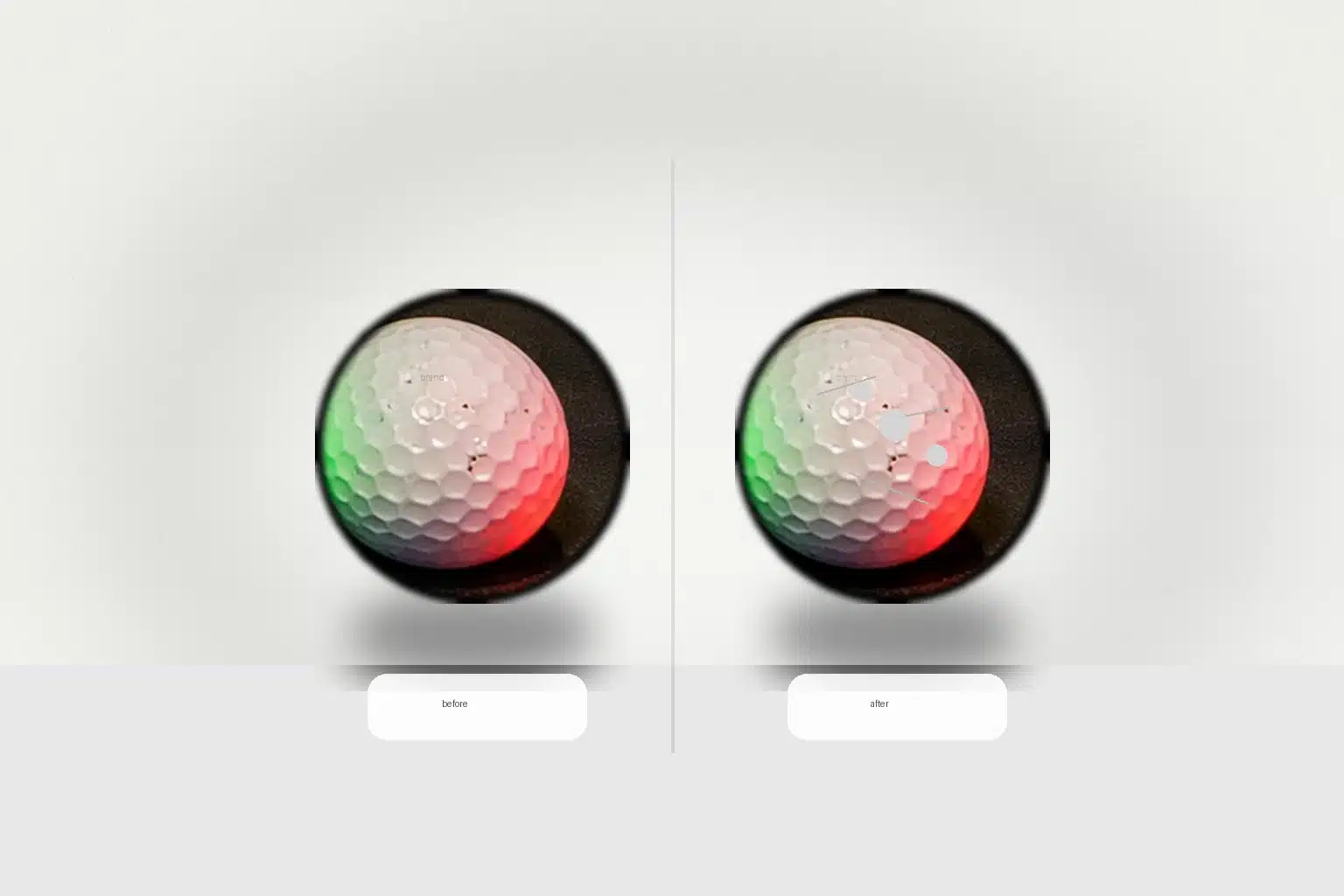
A beautiful render is not evidence of a durable logo. Your approval should rest on print method disclosure, surface-prep disclosure, adhesion evidence, and after-hit photos that show whether the logo still looks premium after real strikes.
Pad printing vs UV on glowing shells
For simple one- or two-color corporate marks on a curved shell, pad-style printing is usually the safer default because it matches the geometry and typically gives a more predictable result. UV can absolutely make sense for more complex artwork, gradients, or full-color branding, but it demands tighter validation. Perfect mockup, zero after-hit proof is one of the easiest ways to approve a problem you will only see later.
Do not stop at the print-method name. Ask what surface prep happens before printing. Mold-release residue and poor surface readiness can quietly sabotage adhesion even when the artwork looks excellent on day one. A serious supplier should be able to explain whether the shell is cleaned properly and whether plasma-style treatment or another controlled prep step is used before printing. Then they should back that up with an adhesion result and after-hit photos.
| Brand need | Safer print route | Proof to request | Reject signal | Next step |
|---|---|---|---|---|
| 1–2 color corporate logo | Pad-style printing | Adhesion result + after-hit photos | Edge peel or broken strokes | Approve only with hit-proof evidence |
| Complex full-color artwork | UV with tighter validation | Macro inspection + after-hit photos | Raised-ink chipping or haloing | Tighten spec or simplify art |
| Premium gifting look | Method chosen by finish goal | Daylight + low-light appearance proof | Logo looks dull or cheap when unlit | Approve appearance in both viewing conditions |
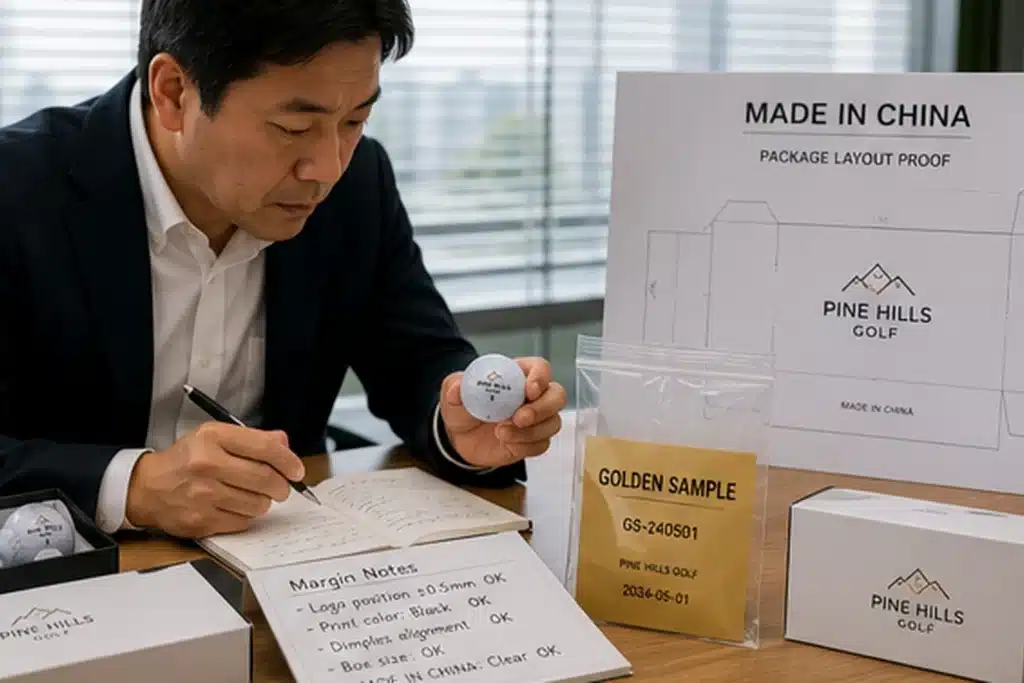
Tie production to a proof pack: print-method disclosure, surface-prep disclosure, adhesion result, and after-hit photos with macro close-ups before and after pilot hitting. Then lock one clause into the file: Bulk logo approval is based on approved surface-prep disclosure, adhesion evidence, and pilot-hit results. Major peel, ugly edge lift, or unreadable post-hit branding is non-conforming.
That clause matters because logo complaints rarely start with artwork. They start with invisible prep issues, untested assumptions, or a supplier who expects you to approve decoration from a perfect render alone. A logo that survives only on screen does not survive.
What Battery Proof Should DDP Suppliers Show?
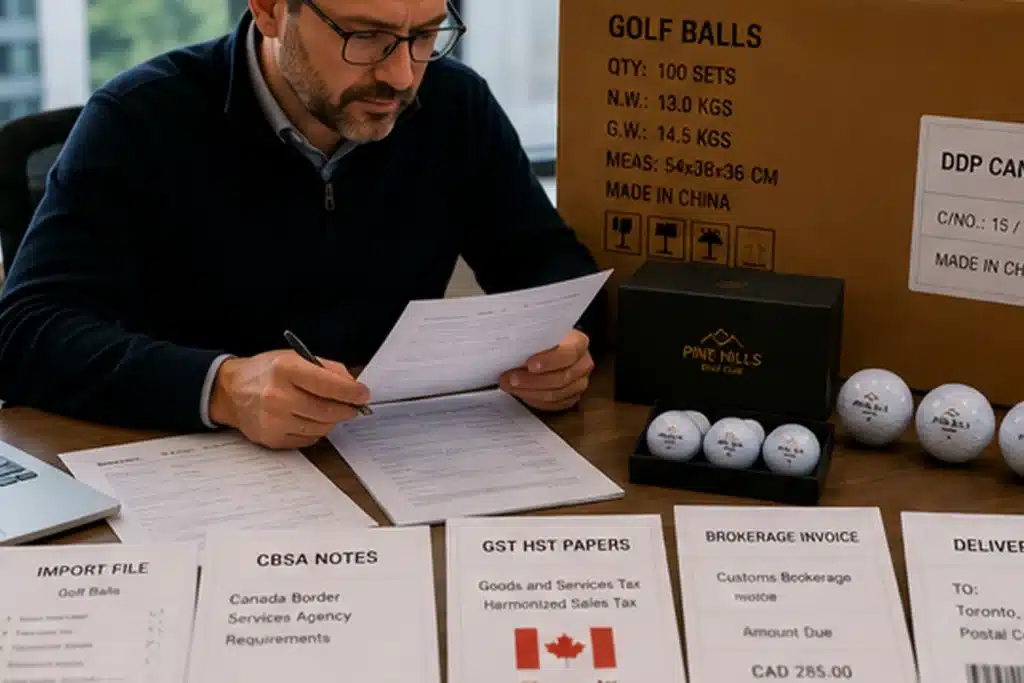
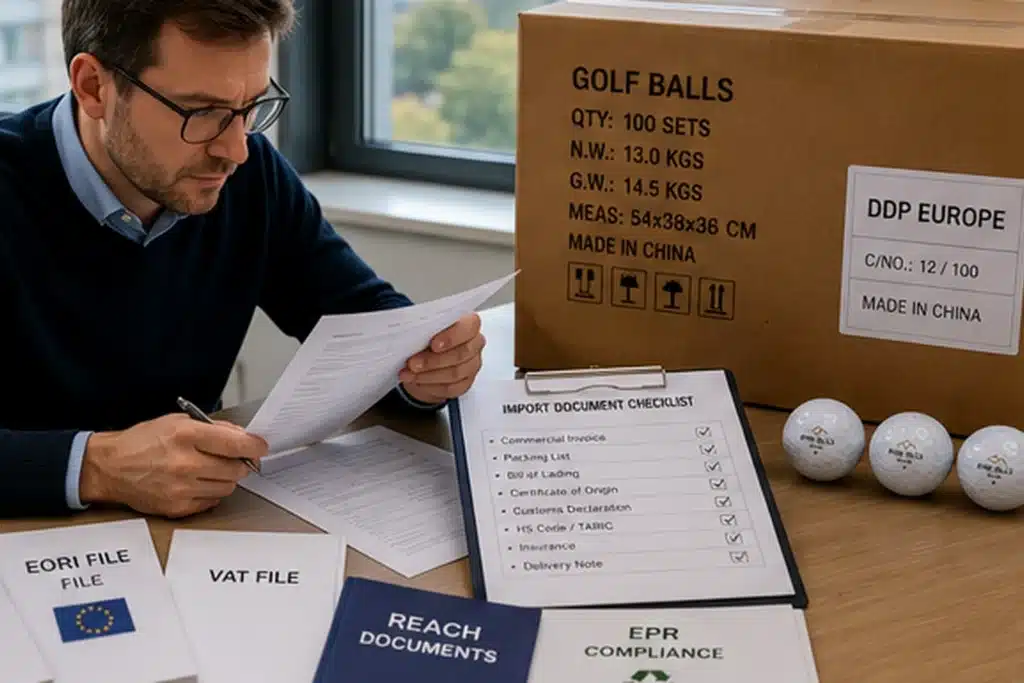
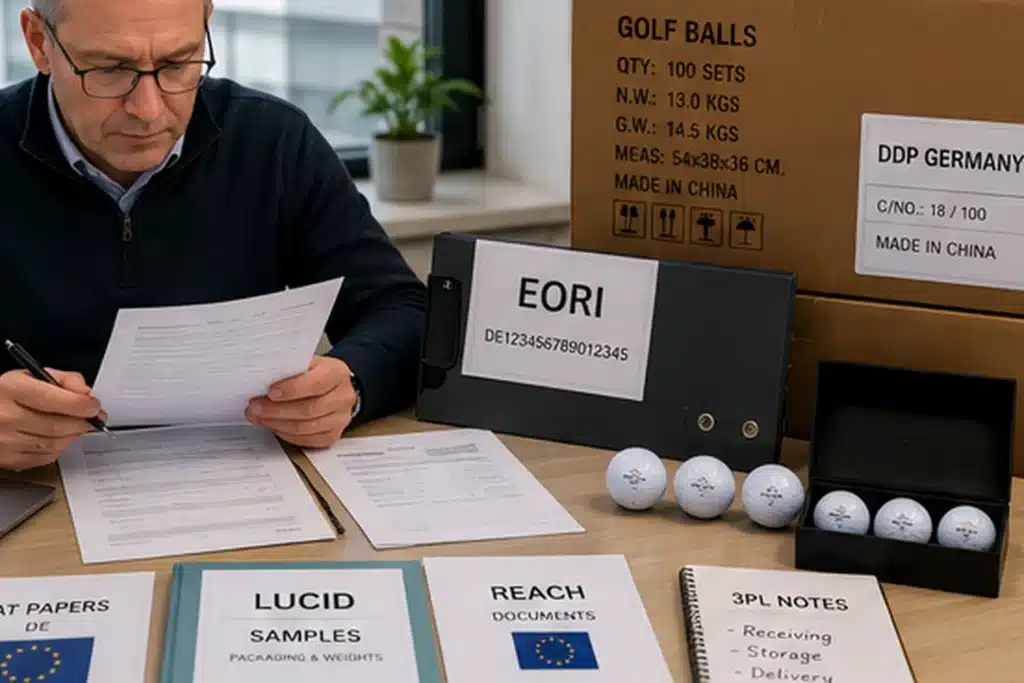
This is the section buyers ignore right before they regret ignoring it. DDP sounds comforting because it promises convenience. It does not remove the need for a battery file, shipment logic, or lane confirmation.
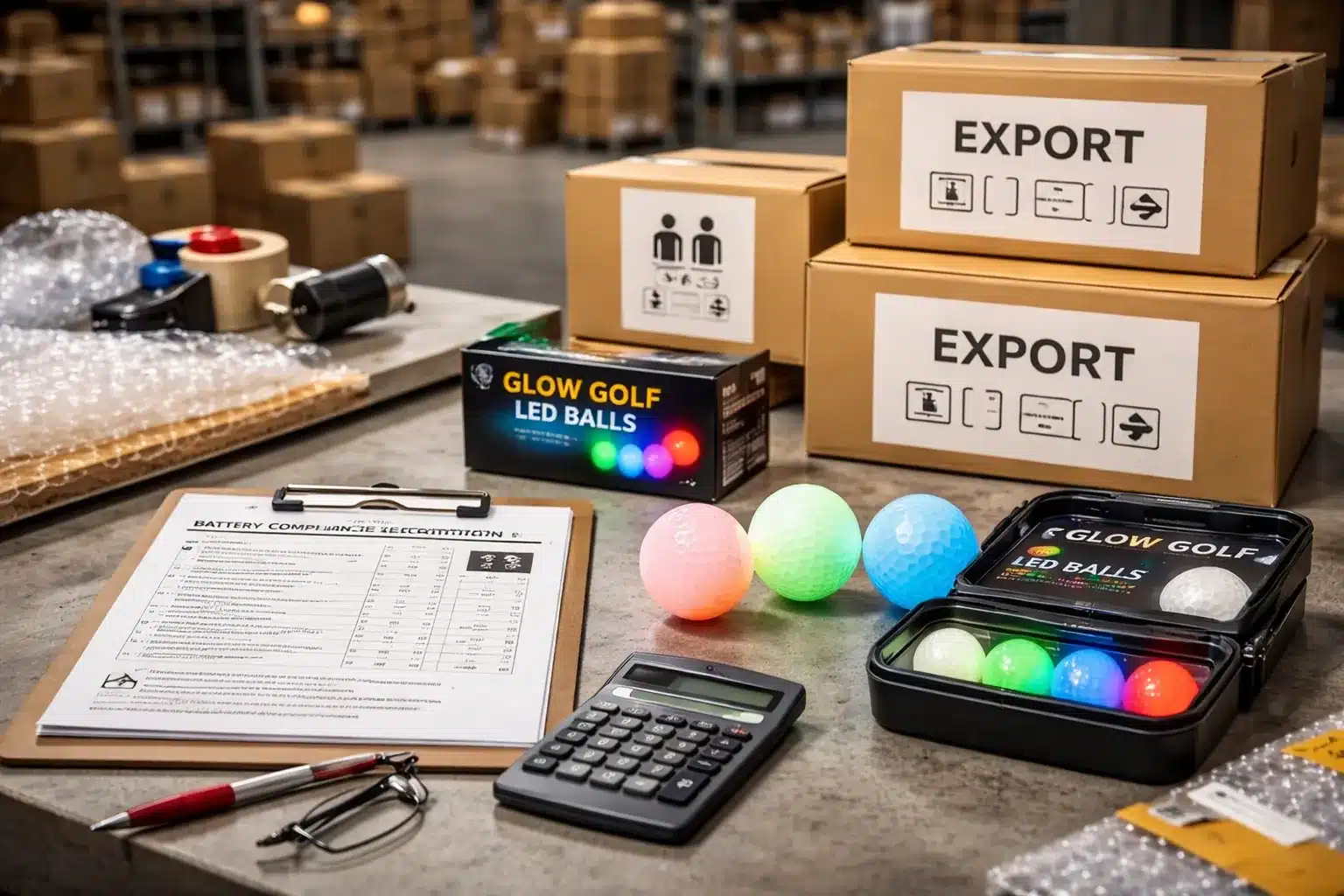
DDP does not remove your verification job. The safer bulk-buy path is to collect the battery file, match it to the product model, secure written lane acceptance, and work only with a supplier that answers in documents and options rather than reassurance alone.
DDP is a document workflow, not a promise
The smarter buyer move is to treat battery compliance as a pre-deposit workflow. Start with the battery chemistry statement and confirm whether the design uses lithium cells, and if so, whether a UN 38.3 test summary must be made available for that battery configuration. Do not treat an SDS or MSDS as the same thing as transport compliance, and do not assume DDP means the forwarder has already cleared the route logic.
That nuance matters because many buyers are shown an SDS and told the battery side is “done.” It is not that simple. A transport-ready file is about traceability, correct classification logic, and a lane the forwarder will actually carry. If the route has not been checked in writing, DDP is still just a promise wearing logistics clothing.
This is also where you learn whether the supplier thinks clearly. A professional factory usually answers with structured options, written assumptions, and next-step choices. A weak one often answers your RFQ with questions, not options. For North American and EU buyers, written proof speed often matters more than a slightly lower unit quote. If the vendor cannot line up battery wording, shipment classification language, carton photos, and lane acceptance before deposit, you are not buying certainty. You are buying hope.
Use this exact RFQ line before money moves: Please provide the battery chemistry statement, applicable test summary, shipment classification wording, packaging/label photos, and written route acceptance for the intended DDP lane before deposit.
Then add one PO clause: Supplier shall match the approved battery model, activation design, and print method to the shipment documents, carton markings, and sample approval file. Any substitution requires written re-approval before production.
We recently reviewed a stalled European event order of about 2,500 custom LED golf balls after the buyer had been promised a “hassle-free DDP delivery” by another vendor. The shipment was held at the port because the factory provided only a generic SDS, without model-matched battery support for the approved LED golf ball configuration. The order only moved cleanly after the battery file was rebuilt around the correct chemistry wording and aligned with a DG-capable forwarder for the actual lane. The client avoided a four-figure emergency air-freight scramble, but the stress was entirely avoidable. The takeaway was simple: DDP convenience means very little without compliance proof and document traceability before deposit.
The proof you want is not complicated, but it does need to be matched to the actual product. That usually means:
-
battery chemistry wording,
-
the applicable battery support file,
-
shipment classification language,
-
packaging and label photos,
-
and written route acceptance for the lane you will actually use.
If timing is tight, do not try to “speed up” by skipping this step. Freeze artwork and packaging earlier, simplify packaging if the event date matters more than premium presentation, and secure a production slot early instead of assuming a small order will somehow move faster. In practice, small custom runs can be delayed more easily than bigger priority orders unless you lock them in deliberately.
✔ True — Battery compliance is a pre-deposit workflow
The safer moment to catch mismatched chemistry wording, weak route acceptance, or missing pack photos is before production is released. That is when you still have leverage and choices.
✘ False — “An SDS by itself proves the shipment is ready to move.”
A generic safety sheet may help screening, but it is not the same as model-matched battery traceability, applicable battery support, and written route acceptance for the actual lane.
FAQ
Are LED golf balls tournament legal?
Only if the exact model is conforming where a competition requires a ball from the current Conforming Golf Ball List. For many night events, buyers should position LED balls as event-use products unless conformity for that exact model has been independently verified.
If the competition does not adopt the conforming-ball Local Rule, equipment treatment can be different, so do not make blanket “tournament legal” claims without checking the exact event requirement. For most buyer-side decision making, the safer move is simple: keep event marketing separate from official-competition claims unless the exact model has been checked.
What QC report should you request before mass production?
Ask for a small-batch consistency file, not just a pretty sample. The strongest report shows methods, variation, and pass/fail logic instead of one or two flattering numbers.
A practical buyer file often includes a 12-ball report from the same sample lot, covering weight consistency, hardness or compression method, and balance or concentricity checks tied to that lot. Ask the factory to note the measuring method, including weight consistency checked on a 0.01 g scale, plus diameter and balance or concentricity checks tied to the same sample lot. What matters is not one “good” value. It is whether the batch behaves consistently enough to support stable event use.
How do you tell if a supplier is a real golf ball factory?
Watch how the supplier answers before you watch how they sell. A reliable factory usually replies with structured options, written assumptions, and process logic instead of vague reassurance or endless clarification loops.
That behavior reveals maturity quickly. A strong reply usually covers activation options, print route, packaging assumptions, lead-time logic, and what still needs buyer confirmation. A weaker one often creates more clarification work for you instead of reducing it. The fastest screen is simple: does the quote make the next step clearer?
Should winter night events change your sample criteria?
Yes. Colder conditions can change perceived feel, visible usefulness, and player reactions, so your sample review should move closer to the event environment whenever possible.
You do not need a laboratory to do this well. You do need to avoid approving a sample only under warm, easy conditions and then acting surprised when guests react differently on a cold night. Review shell finish, handling feel, and visible performance in venue-like temperatures where possible. If the event is winter-heavy, be conservative with promises and more demanding with proof.
What should be in your sample approval file?
Turn sample approval into a file, not a memory. The strongest buyer-side file combines visual proof, activation proof, print proof, and shipment proof in one place.
At minimum, keep seam macro photos and shell close-ups, one activation timer video plus repeat-use proof, print-method and surface-prep disclosure, adhesion evidence with after-hit photos, and the battery paperwork matched to the approved model. Add your written defect standard and pack breakdown while you are there. When samples, bulk production, and shipping all point back to the same approval file, fewer surprises survive long enough to reach the event.
How can you shorten lead time without increasing mistakes?
Faster delivery usually comes from earlier spec freeze and simpler execution, not from wishful pressure. Buyers save more time by reducing moving parts than by demanding miracles later.
Freeze artwork and packaging early, especially on sponsor programs where approval loops can quietly eat a week. If timing is tight, secure a production slot earlier, simplify packaging before you simplify QC, and start the forwarder and battery-file review before production finishes. A clean on-time arrival usually beats a delayed premium pack that looked better in concept than in reality.
Conclusion
LED golf balls can be a smart event buy when you manage them like a risk manager, not like a catalog shopper.
Plan quantity with a formula. Approve driver safety by surface integrity. Verify activation with real-use video proof. Approve logo durability with surface-prep disclosure, adhesion evidence, and after-hit photos. Treat DDP as a managed battery-document workflow that starts before deposit, not after problems begin.
You might also like — What Are the Best Packaging Options for OEM Golf Balls?