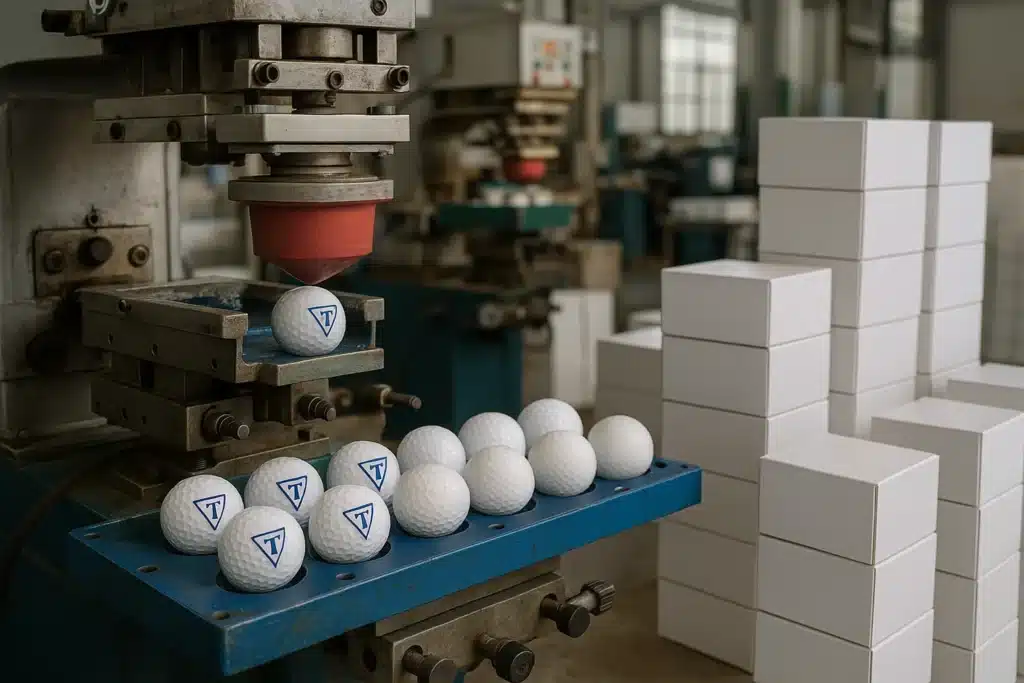
Factory-direct sourcing can look cheaper and safer—until you discover that the seller, actual manufacturer, outsourced production partner, and party responsible for your order are not necessarily the same company.
When comparing a golf ball manufacturer vs trading company in China, verify four things: Role → Control → Access → Accountability. Confirm who sells the order, who manufactures your exact SKU, which critical stages are outsourced, what production and QC access you retain, and who remains commercially responsible.
A direct manufacturer can legitimately outsource selected stages such as specialist packaging or decoration. A transparent trading company or sourcing agent can also be workable when the actual factory is disclosed, technical and inspection access remain available, and accountability is clear.
That is why factory direct is not automatically safer, cheaper, or more controllable—and a trading company is not automatically the risk. The real warning sign is a hidden production layer that prevents your team from seeing who actually makes the product, who controls critical processes, and whether the production source can change without your approval.
Before sample approval or PO release, your team should be able to answer one practical question:
Who sells to me, who manufactures my SKU, what does each party control, what access do I retain, and who answers to me when something changes?
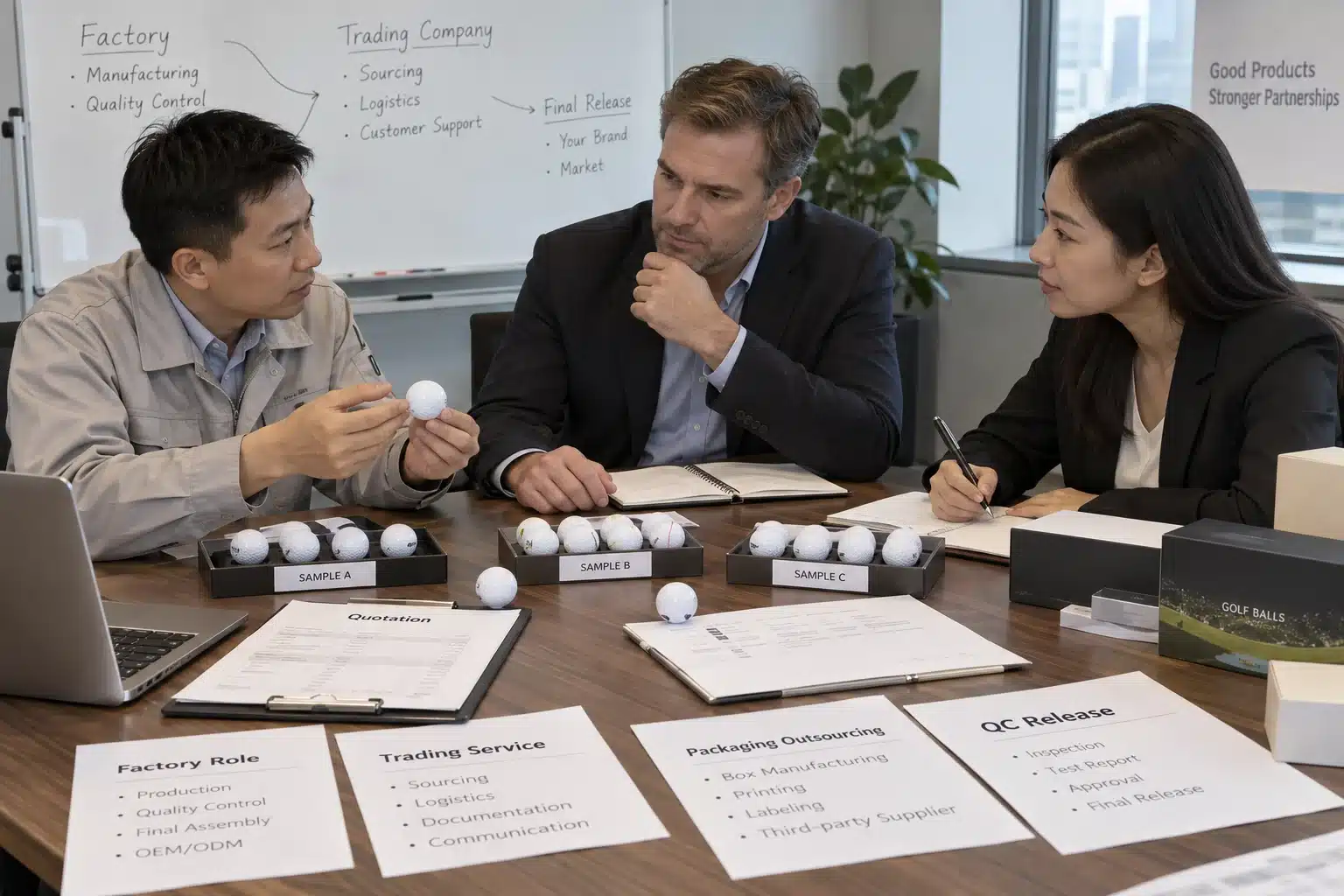
Factory, Agent, Trader, or Hybrid?
A supplier may call itself a manufacturer while sourcing your particular SKU elsewhere. Another may openly act as an agent yet give you better factory access and clearer accountability.
A factory label does not prove full production control, and a trading-company label does not automatically make a supplier unsafe. Classify the seller by role, production relationship, access, and accountability.
Your team should know who sells the order, who manufactures the exact SKU, and which responsibilities each party actually controls.
What Does Each Role Actually Control?
Real sourcing structures are rarely limited to “factory” and “trader.”
| Supplier Role | Production Relationship | Main Buyer Risk | What to Verify | Buyer Action |
|---|---|---|---|---|
| Manufacturer | Produces quoted SKU | Hidden outsourced stages | Control boundary | Record actual stages |
| Transparent agent | Factory disclosed | Layered responsibility | Access and accountability | Approve if controlled |
| Hybrid | Makes some, sources some | SKU-level ambiguity | Exact SKU source | Verify per SKU |
| Hidden production layer | Source obscured | No buyer visibility | Actual manufacturer | Hold the order |
Buying or sourcing through an intermediary is not unusual in global supply chains. The International Chamber of Commerce discusses the long-standing use of buying and sourcing agents to identify and coordinate foreign factories. Your decision is therefore not whether an intermediary exists, but what role it plays and what control remains visible.
Record the relationship in one Supplier Role & Control Record: seller role, actual manufacturer, exact-SKU source, outsourced stages, access rights, accountability, and source-change rules.
Supplier shall disclose whether it acts as manufacturer, agent, trader, exporter, or hybrid for the quoted SKU and identify the actual production entity and any critical outsourced production stages before sample approval.
If your next question is whether the supplier’s legal entity, production site, evidence, batch records, and payment structure can actually be verified, use our China Golf Ball OEM Supplier Verification Checklist. If you still need candidates, start with the Top 10 Golf Ball Manufacturers in China for OEM.
✔ True — A disclosed intermediary can be manageable
A transparent structure can work when you know the manufacturer, understand the control boundary, retain appropriate access, and know who remains accountable.
✘ False — “Factory means safe; trader means unsafe”
The seller’s label does not prove production control. A hidden production relationship matters more than whether the company calls itself a factory or trading company.
Is Factory Direct Always the Cheapest Route?
“Remove the middleman, remove the markup” sounds logical. It becomes unreliable when the direct importer and intermediary bring very different purchasing leverage to the factory.
Buying direct can reduce cost, but it does not guarantee the lowest unit price. A high-volume trading company may receive stronger factory terms than a smaller direct importer.
Compare the same SKU, annual committed volume, payment terms, service scope, and delivered basis before deciding which route is cheaper.
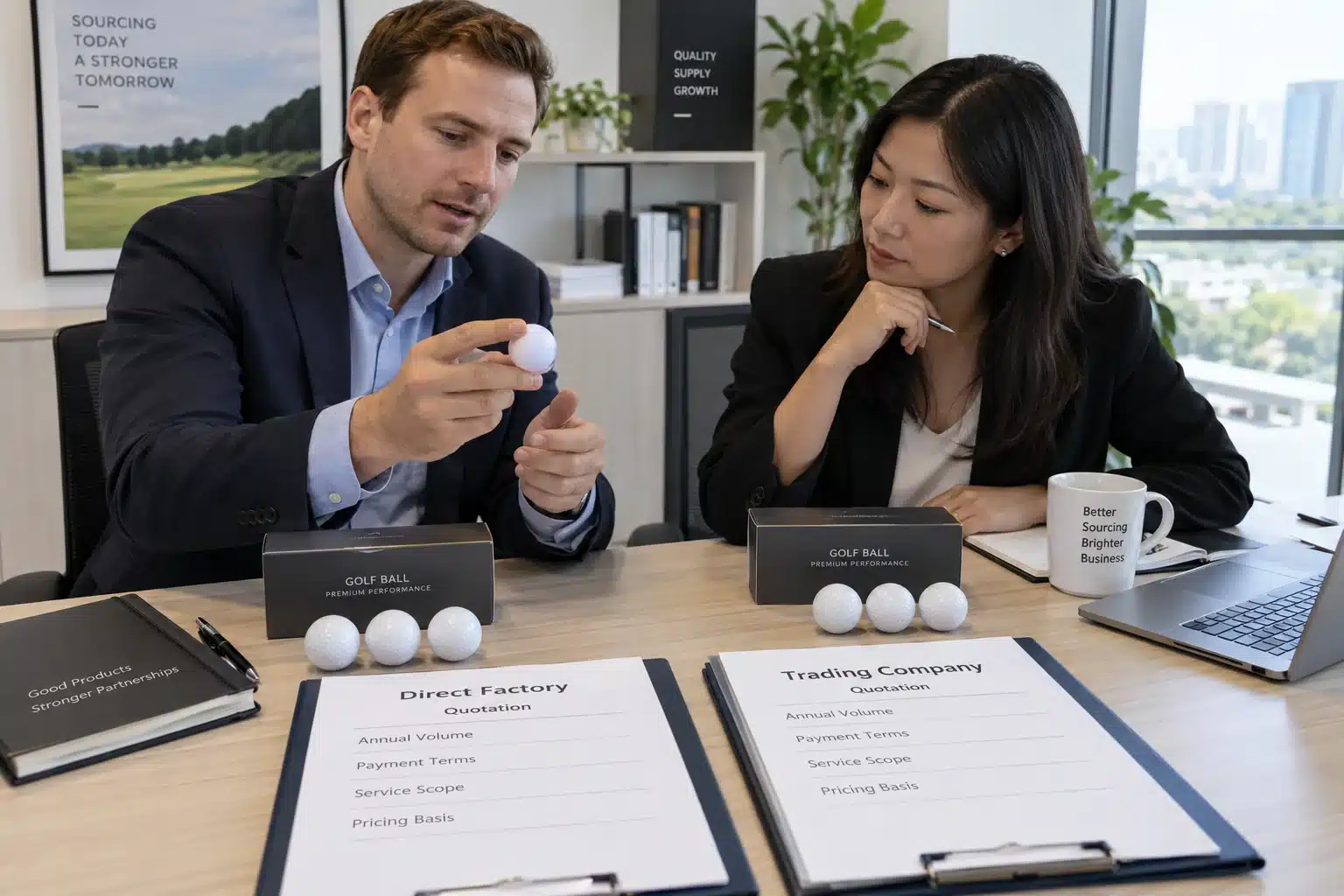
When Can an Intermediary Win on Price?
Annual volume, repeat frequency, forecast reliability, payment terms, SKU mix, production planning, and included service can all affect commercial terms.
| Price Decision | Direct Factory | High-Volume Intermediary | What to Verify | Buyer Action |
|---|---|---|---|---|
| Annual volume | Your commitment | Aggregated / recurring volume | Comparable annual volume | Normalize |
| Product basis | Direct quotation | Factory buy + resale | Same SKU/spec | Match basis |
| Service scope | Buyer manages more | Coordination may be included | Included work | Price scope |
| Commercial terms | Your negotiated terms | Established terms may differ | Payment / forecast basis | Compare like for like |
Larger purchase commitments can become one commercial negotiation lever, but they do not create a universal pricing formula. The Institute for Supply Management discusses volume commitment as one variable buyers and suppliers may trade against commercial terms. The Institute for Supply Management discusses volume commitment as one variable buyers and suppliers may trade against commercial terms.
At Golfara, we currently work with three long-term trading-company customers whose annual purchases have typically been roughly 1.4–2.0 million golf balls per customer. That scale can create purchasing leverage that a smaller direct importer may not match.
It does not mean the trader’s resale price is automatically lower; service scope and margin still matter. Compare the same SKU, volume, terms, services, and delivered basis before deciding which route is cheaper.
Direct factory is a sourcing structure, not an automatic price advantage.
Who Controls Your Golf Ball Production?
Even a genuine golf-ball manufacturer may not perform every stage connected to your finished order under one roof.
A direct golf ball manufacturer may outsource selected stages such as specialist packaging or decoration. The issue is not whether every process sits under one roof; it is whether each critical stage is disclosed, controlled, approved, and tied to one accountable supplier.
Outsourced does not automatically mean uncontrolled.
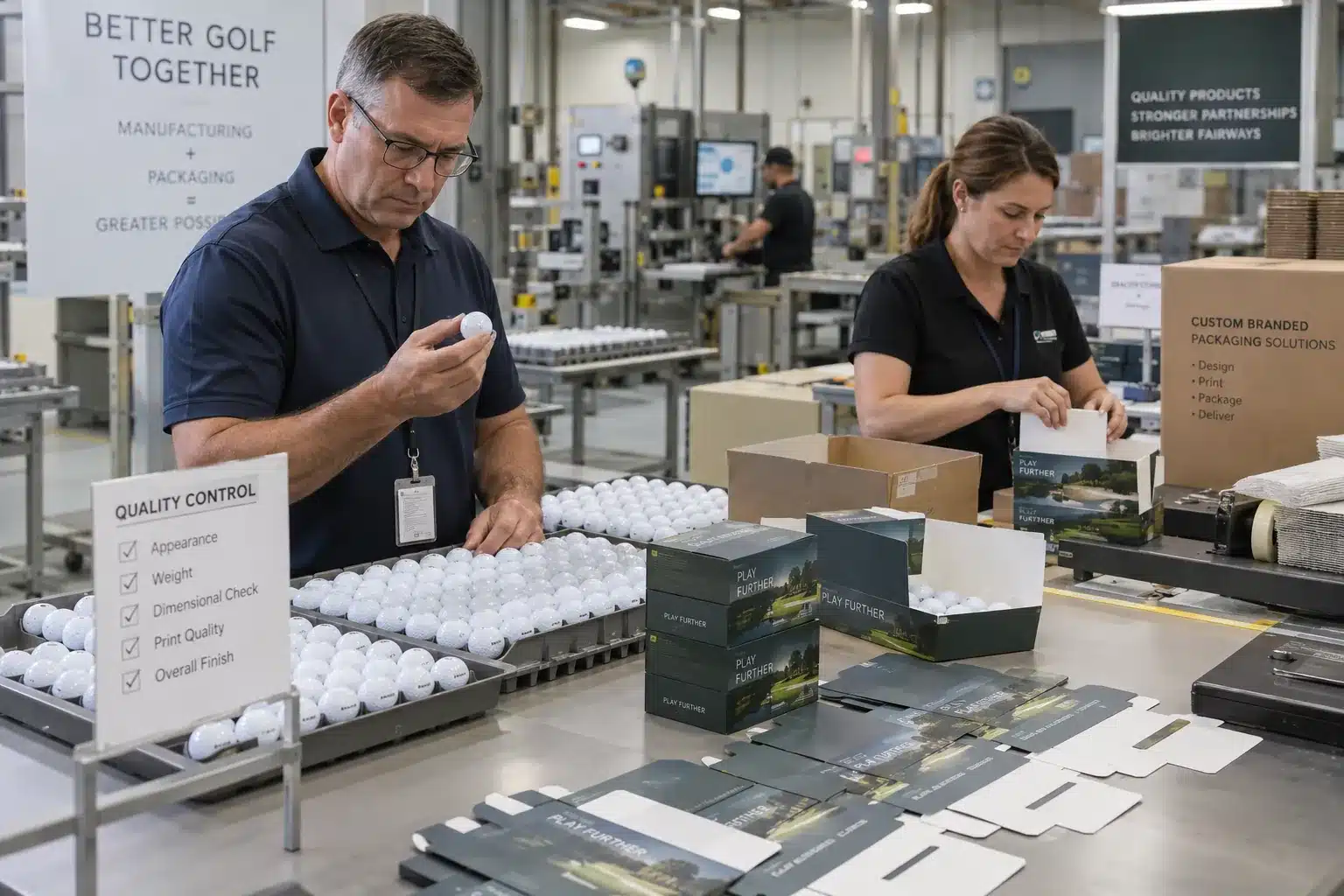
Which Stages Are In-House or Outsourced?
You do not need every factory-audit detail to make this decision. You need the control boundary for your exact SKU.
At Golfara, we manufacture golf balls ourselves while working with specialist partners for certain custom packaging requirements. That does not change our role as the golf-ball manufacturer. It changes the part of the supply chain your team should understand: what the partner performs, what we approve, and who remains responsible for the finished requirement.
Apply the same logic to decoration, specialist testing, or another material stage. Your Supplier Role & Control Record should show which critical operations are in-house, which are outsourced, and who controls approval and release.
A seller claiming manufacturer status but unable to identify which critical stages are actually in-house is a failure signal.
The better buyer question is: “What do you outsource, who controls it, and who answers to me?”
Outsourced production can be controlled; undisclosed production cannot.
✔ True — A real manufacturer can legitimately outsource selected stages
A specialist partner can remain inside a controlled sourcing structure when the outsourced stage, approval path, release responsibility, and change rules are visible.
✘ False — “If one stage is outsourced, the seller is automatically a trading company”
Outsourcing changes the production-control boundary. It does not automatically redefine the seller’s commercial role.
What Access Should an Intermediary Provide?
A fast answer can come from an excellent agent. A slower answer can come from a factory salesperson waiting for production or QC to confirm the facts.
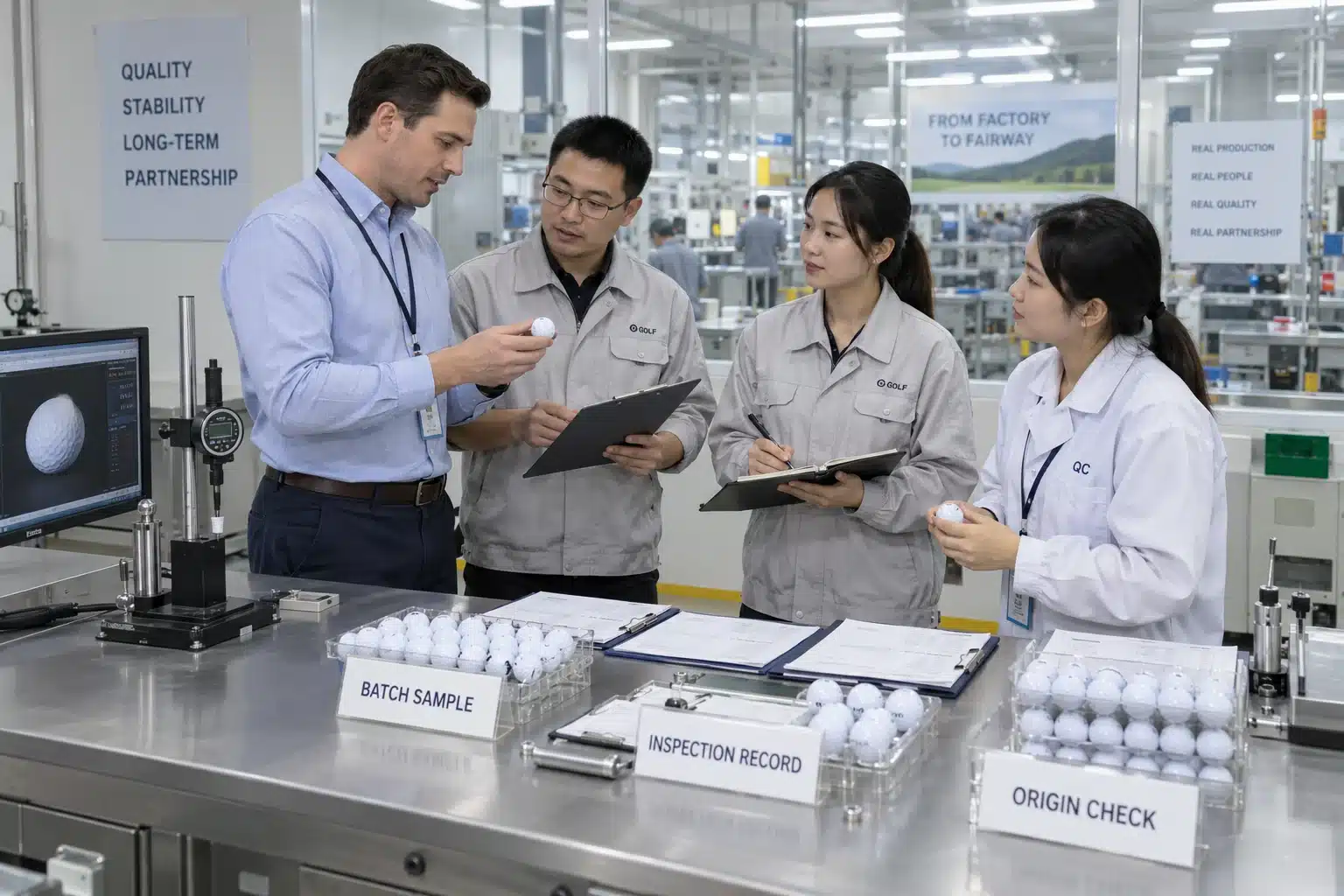
Judge an intermediary by the access it gives you, not by how quickly sales replies. A transparent supplier should provide a workable path to production, QC, factory-origin evidence, and independent inspection when your decision requires it.
The test is whether technical access exists—not whether every answer arrives immediately.
Can You Reach Production or QC Directly?
You do not need unrestricted factory contact every day. You need a credible escalation path when a technical, QC, or inspection decision requires it.
| Access Need | Strong Structure | Weak Structure | Evidence | Buyer Action |
|---|---|---|---|---|
| Technical clarification | Production/QC can confirm | Sales-only relay | Escalation path | Test access |
| Factory evidence | Source identifiable | Sales summary only | Source-level evidence | Request origin |
| Inspection | Actual site accessible | Site blocked | Inspection access | Confirm before PO |
| Process question | Evidence available | “Factory says yes” | Source/method | Escalate |
Suppose the salesperson says, “Yes, we make urethane golf balls.” The stronger test is whether the seller can obtain credible production-side confirmation of the actual route when that distinction affects your SKU.
The same principle applies to QC. You do not need another technical testing tutorial here; you need to know whether the seller can give your team access to the actual QC function and relevant source-level evidence.
An agent that describes itself as transparent but blocks meaningful factory or QC access creates an obvious control gap. Independent assessment can add another layer: SGS Vendor Assessment and Technical Audit covers supplier premises, manufacturing capability, workshop facilities, process controls, and related technical assessment.
Once the supplier role, production source, and access path are clear, use the deep golf ball factory audit to test whether one comparable production lot can be traced through its declared route, linked records, exception handling, final release, and change control. Detailed testing methodology belongs in the Golf Ball QC in China guide.
Who Is Accountable When an Order Goes Wrong?
A supplier can coordinate communication well and still leave you chasing another company when a defect, remake, or commercial remedy needs approval.
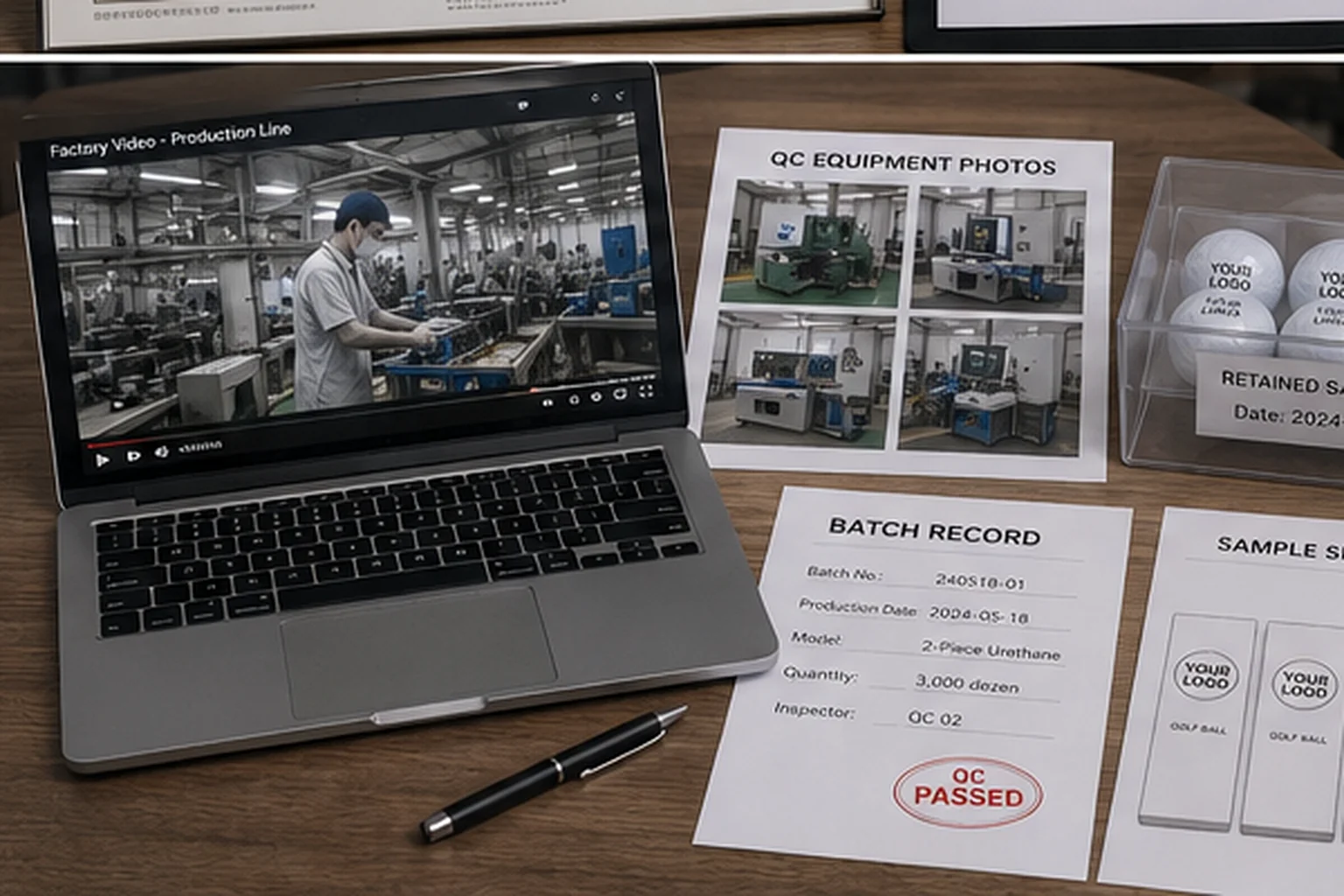
An intermediary adds value only if responsibility remains clear when production fails. Your agreement should identify who investigates the issue, who controls corrective action, who authorizes the remedy, and who remains commercially accountable to you.
“We will ask the factory” is coordination; it is not a complete accountability model.
Coordination or Contractual Responsibility?
Before PO release, your team should be able to identify the contracting seller, investigation owner, corrective-action authority, and person or entity authorized to agree the commercial remedy.
The underlying factory may perform the technical investigation while an exporter or agent remains commercially responsible to you. That can be a workable structure.
What should stop you is a seller that can show a real factory but cannot explain who answers to you when that source fails, refuses corrective action, or changes.
Supplier accountability should reduce the number of parties you must chase when something goes wrong—not add another one.
✔ True — An intermediary can remain commercially accountable when another factory manufactures the goods
Manufacturing responsibility and contractual responsibility can sit with different parties when their roles and the remedy path are clearly defined.
✘ False — “If the actual factory caused the defect, the contracting seller has no responsibility”
Your team should know before PO release who owns investigation, corrective action, and the agreed commercial remedy.
How Do You Control a Production-Source Change?
Demanding the same factory forever may sound safe, but real supply chains sometimes need approved backup sources, capacity changes, or different specialist partners.
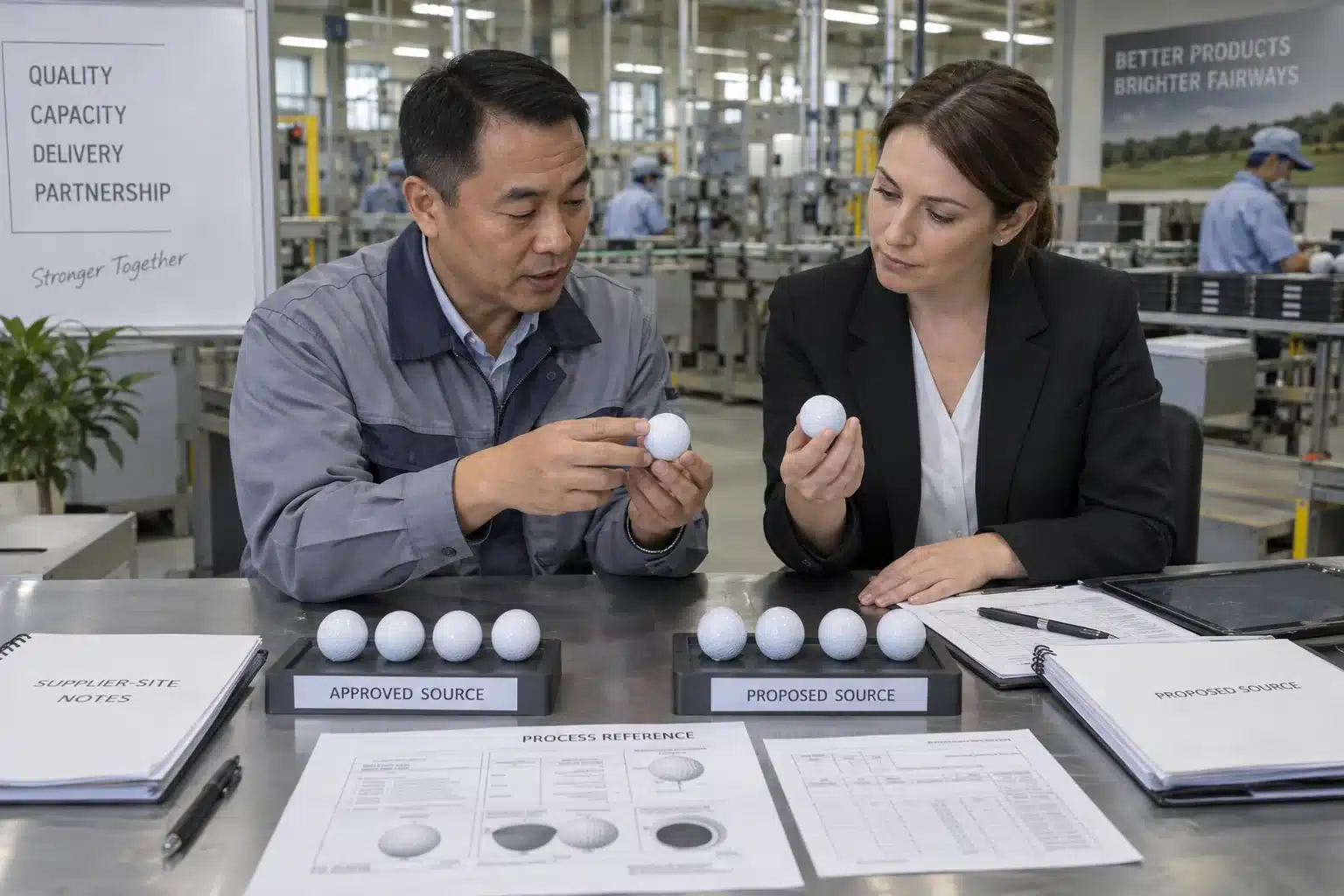
A supplier should not silently move your approved golf-ball program to another production source. Define which factory, site, subcontractor, or process changes require disclosure and buyer approval before production.
The goal is not to freeze the supply chain forever; it is to prevent an unapproved source change from redefining your SKU.
What Changes Need Buyer Approval?
The stronger rule is no undisclosed material source change, not “no source change ever.”
| Change | Why It Matters | Supplier Disclosure | Buyer Right | Action |
|---|---|---|---|---|
| Main manufacturer | Production system changes | Before production | Review / approve | Reconfirm |
| Critical subcontractor | Control path changes | Before use | Review where material | Record |
| Production site | Process may differ | Before production | Approve if controlled | Verify |
| Process route | Approved SKU may change | Before production | Reapprove as required | Hold until clear |
A backup factory can improve resilience. A packaging partner can change. Capacity can move. Your team does not need approval rights over every routine operational adjustment.
You do need visibility when the change can affect the approved SKU, QC path, or repeat-order consistency.
Supplier shall not change the buyer-approved production source or any disclosed critical subcontractor without prior written notice and buyer approval where the change affects the approved SKU, quality-control path, or repeat-order consistency.
By this stage, your single Supplier Role & Control Record should answer the whole sourcing-role decision: seller role, exact production source, critical outsourced stages, production/QC access, commercial accountability, and the source changes that require disclosure or approval.
If those fields are clear, you understand the structure behind the quote. If they are not, the “factory” label has not solved the purchasing problem.
FAQ
Can a direct factory outsource printing or packaging?
Yes. A direct manufacturer can outsource selected specialist stages without becoming a trading company, provided the outsourced activity is disclosed and the contracting supplier retains clear control over approval and final release.
Confirm what is outsourced, who controls the approved requirement, and who remains accountable for the finished order. One specialist process outside the main plant changes the production boundary; it does not automatically change the seller’s role.
Can a factory-linked exporter still be a valid supplier?
Yes. A factory-linked exporter can be a workable supplier when the manufacturer relationship is transparent and your production access, inspection rights, source-change controls, and commercial accountability remain clear.
Identify who manufactures the SKU and who contracts with you. If you need to verify how the seller, manufacturer, production site, payment entity, and supporting evidence connect, use the China Golf Ball OEM Supplier Verification Checklist.
Should I reject a supplier that blocks direct factory contact?
Not automatically. Unrestricted daily factory contact is not necessary, but you still need enough access for meaningful technical confirmation, independent inspection, and material production-risk decisions when they arise.
A commercial contact can remain your normal interface. The problem begins when production or QC cannot be reached through any credible escalation path and factory-origin evidence disappears behind sales summaries.
Can a transparent agent use more than one factory?
Yes. A transparent sourcing agent can use multiple factories when the production source for each relevant SKU is disclosed and material source changes are controlled rather than made silently.
Multi-factory sourcing can support flexibility or resilience. Your team should know which source is approved for the program and when an alternate factory requires additional review or approval.
Can a backup factory be used for a reorder?
Yes. A backup source can support supply continuity when it is disclosed and the agreed review process is followed wherever the change may affect the approved SKU, QC path, or repeat-order consistency.
A planned backup factory is very different from silent source switching. Where practical, identify the alternative source before it is needed and define what must be reconfirmed before production moves.
Conclusion
The right answer to golf ball manufacturer vs trading company is not “always buy factory direct,” and it is not “trading companies are just as good.”
Choose the sourcing structure that gives your program enough control, access, and accountability. You should know who sells to you, who manufactures your SKU, what is outsourced, what access you retain, who answers when something fails, and when the source can change.
Role → Control → Access → Accountability
A transparent intermediary can be controllable. A hidden production layer cannot.
You might also like — China Golf Ball OEM Supplier Verification Checklist