Blog & News

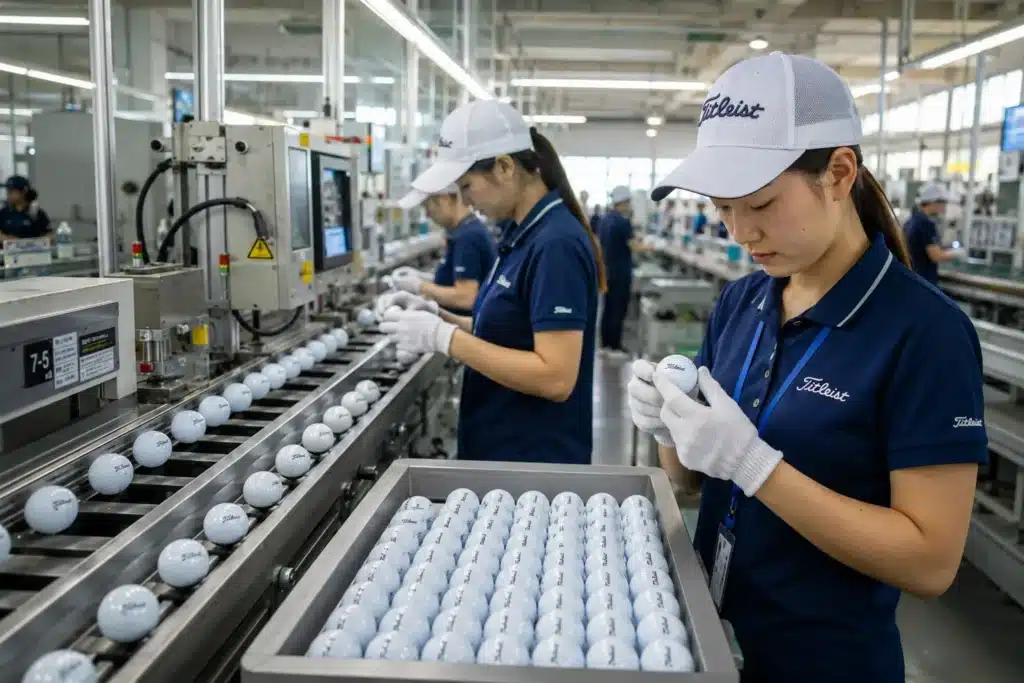
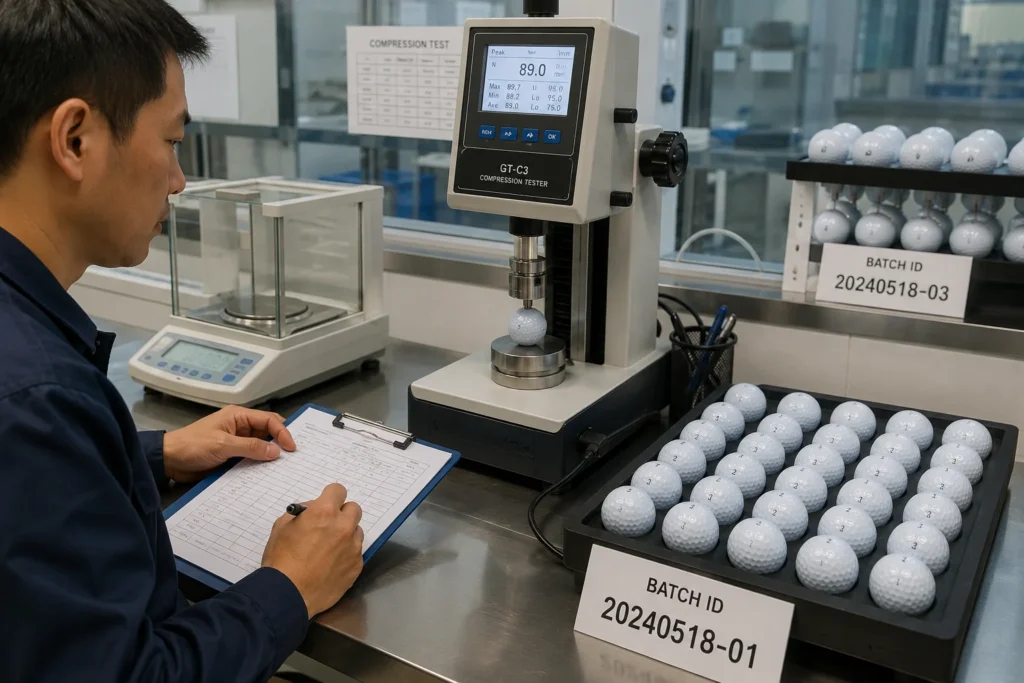
OEM golf balls in factory compression testing for batch quality control

How Are Golf Balls Made? The B2B Guide to Manufacturing CTQs

Golf balls are made through six main manufacturing stages: core mixing and curing, layer or cover forming, seam and dimple control, coating, logo printing, and final QA. For B2B buyers, each stage should be tied to a CTQ, test method, acceptance limit, and batch record before mass production starts. Bulk
Read More »
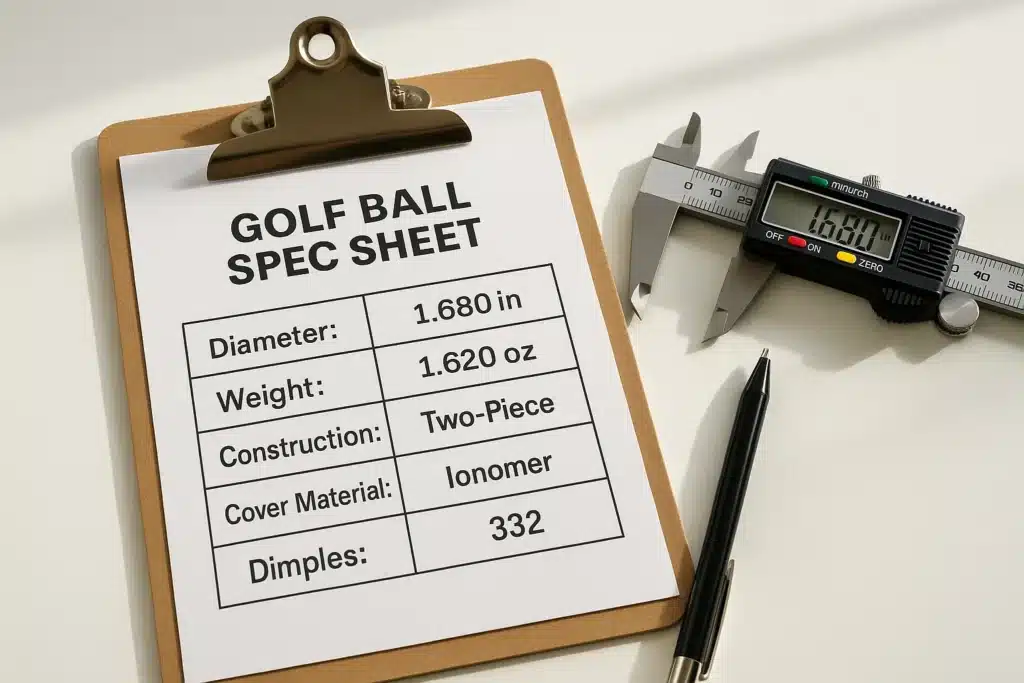
golf ball specification sheet with caliper and pen for OEM quality control

How to Read Golf Ball Specs for OEM Sourcing?

A golf ball spec sheet can look professional while the bulk order still feels harsh, flies inconsistently, or fails your buyer’s market expectations. For OEM sourcing, golf ball specs should be read as a control system, not a list of impressive numbers. Compression controls whole-ball deformation, Shore hardness controls cover

Read More »
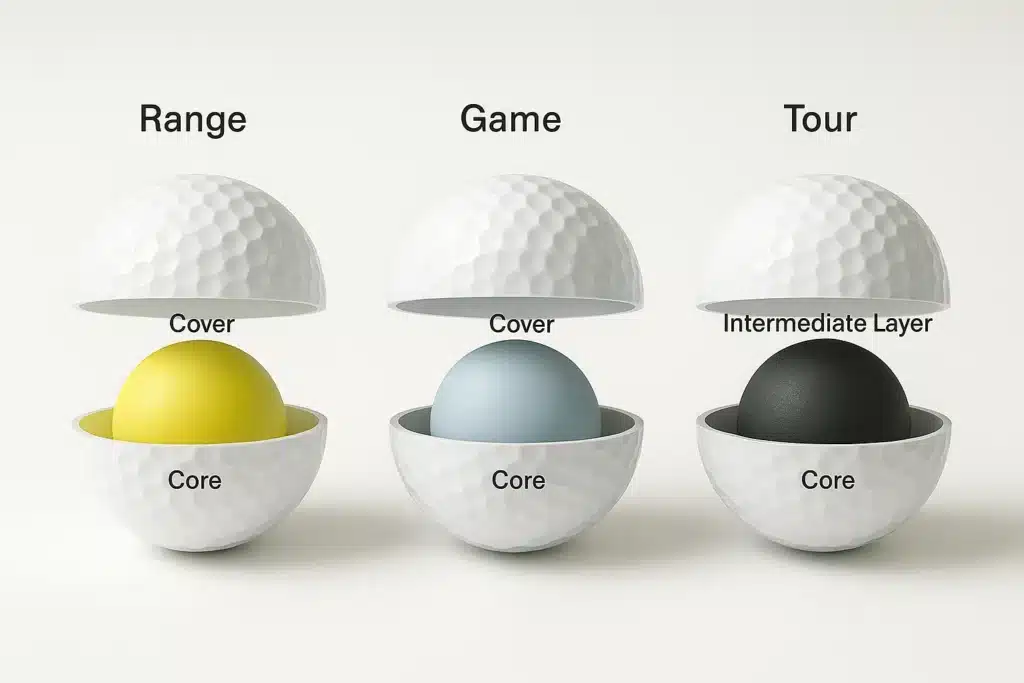
golf ball construction types for range, game, and tour use

Range vs Game vs Tour Golf Balls: OEM Buyer Guide

Range vs Game vs Tour golf balls is a sourcing decision, not only a player-choice question. The wrong category can make you overpay for range-ball conformance, underbuild a retail SKU, or use tour-level wording without enough factory proof. Range balls are practice-first inventory built for durability and replacement cycles; Game

Read More »
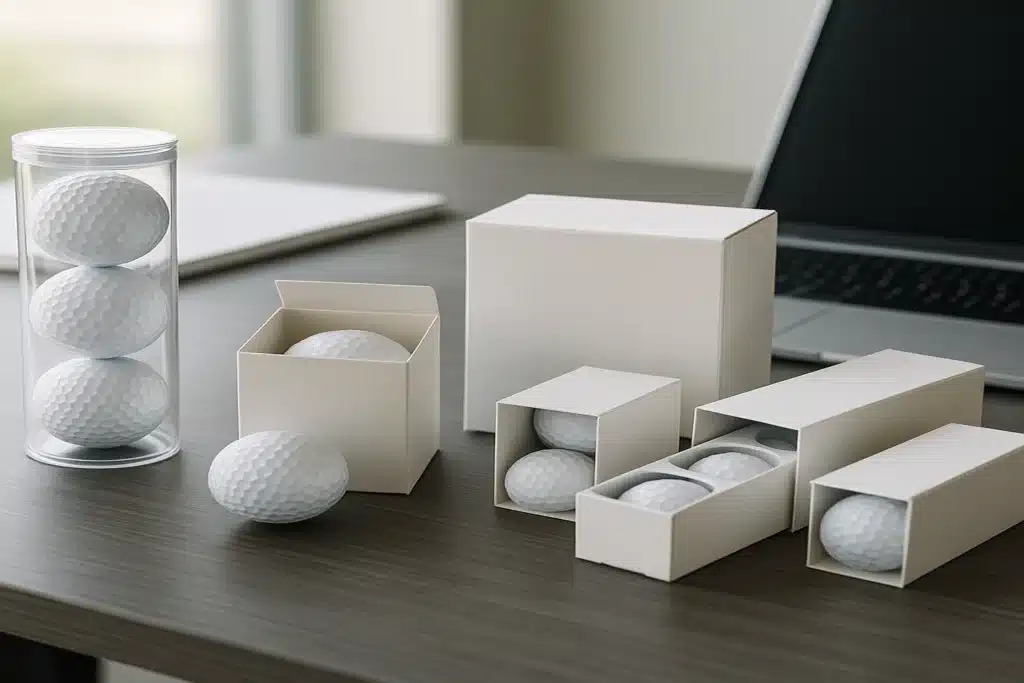
custom golf balls in plain packaging for corporate buyers

Which Golf Ball Packaging Fits Your OEM Program?

Your golf ball packaging can add cost, storage volume, and assembly work before anyone proves those layers are actually needed. The best golf ball packaging is the least complex format that fits how the balls will be used or sold. Facility programs may need bulk or mesh packing; retail often

Read More »
OEM golf balls on practice green for bulk wholesale orders

Surlyn vs Urethane Golf Balls: Which Is Better for Amateurs?

For most amateur golfers, Surlyn / ionomer golf balls are the safer starting point because they are durable, straighter on mishits, and cheaper to replace. Urethane becomes the better choice when you already hit and hold greens, need more wedge spin, and want faster stopping around the green. For OEM

Read More »
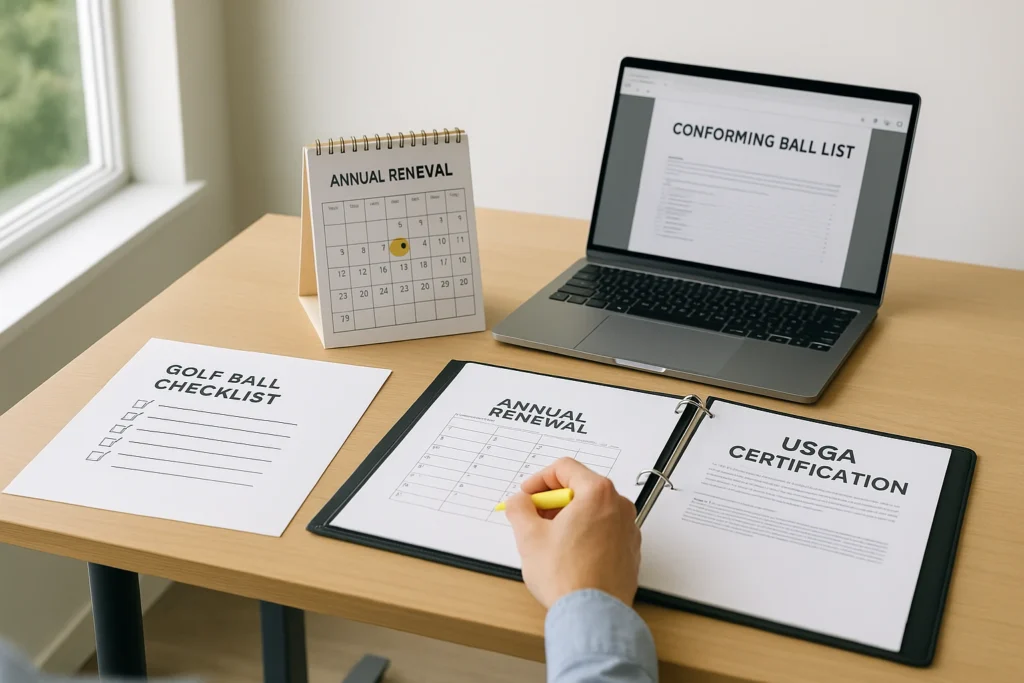
USGA certification renewal process for golf balls

Do China-Made Golf Balls Meet USGA Standards?

Yes—China-made golf balls can meet USGA/R&A conformity requirements. Country of origin does not determine conformity. If your program requires current List status, verify the exact ball type on the current List, then confirm that the production lot you are buying still matches that verified product identity. A supplier saying “USGA

Read More »
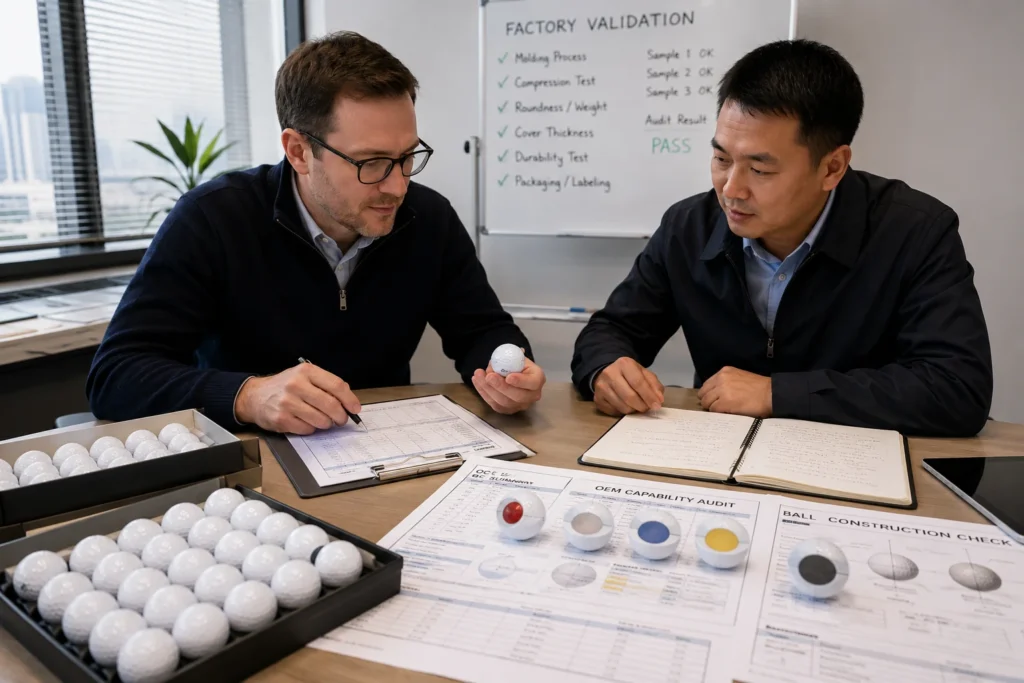
OEM golf balls reviewed in factory validation meeting with quality control documents

Can Chinese Factories Make Tour-Level Golf Balls?

Can Chinese factories make tour-level golf balls? Yes, some advanced Chinese OEMs can build credible tour-style alternatives, but tour-level claims require proof: cover process, core control, spin data, concentricity, aerodynamic tooling, USGA logic, and batch repeatability. A soft feel, clean finish, or one certificate is not enough to prove premium

Read More »
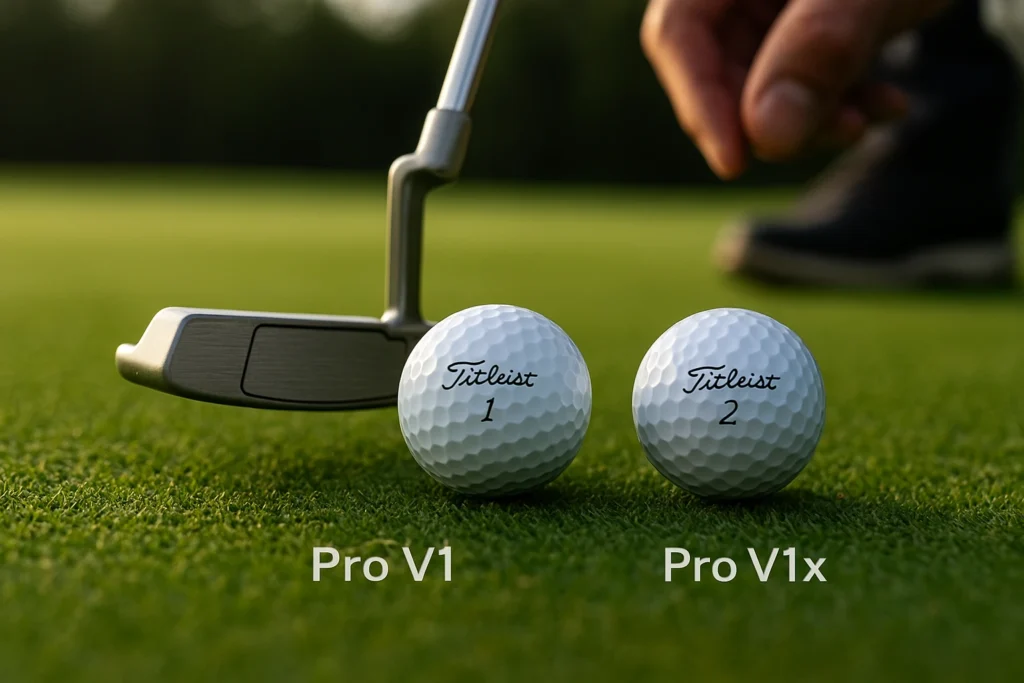
Pro V1 and Pro V1x golf balls side by side on neutral surface

Engineering the Pro V1 vs Pro V1x: A DTC Founder’s OEM Guide

For a DTC founder, the real Pro V1 vs Pro V1x question is not which ball feels better. It is which OEM engineering system your supplier can reproduce: 3-piece vs 4-piece construction, cast urethane cover control, spin separation, dimple tooling, and blank-ball validation. Pro V1 is the simpler 3-piece benchmark

Read More »
OEM golf balls on factory quality control line for manufacturer orders

Why 80% of Golf Balls Are Made in Asia: 2026 OEM Sourcing Guide

A cheap FOB golf ball quote can still become your most expensive sourcing mistake. Most golf balls are made in Asia because Asian OEM hubs combine lower production costs, mature molding and coating systems, material supply, logo printing, packaging, testing, and export logistics. In 2026, buyers should choose golf ball

Read More »
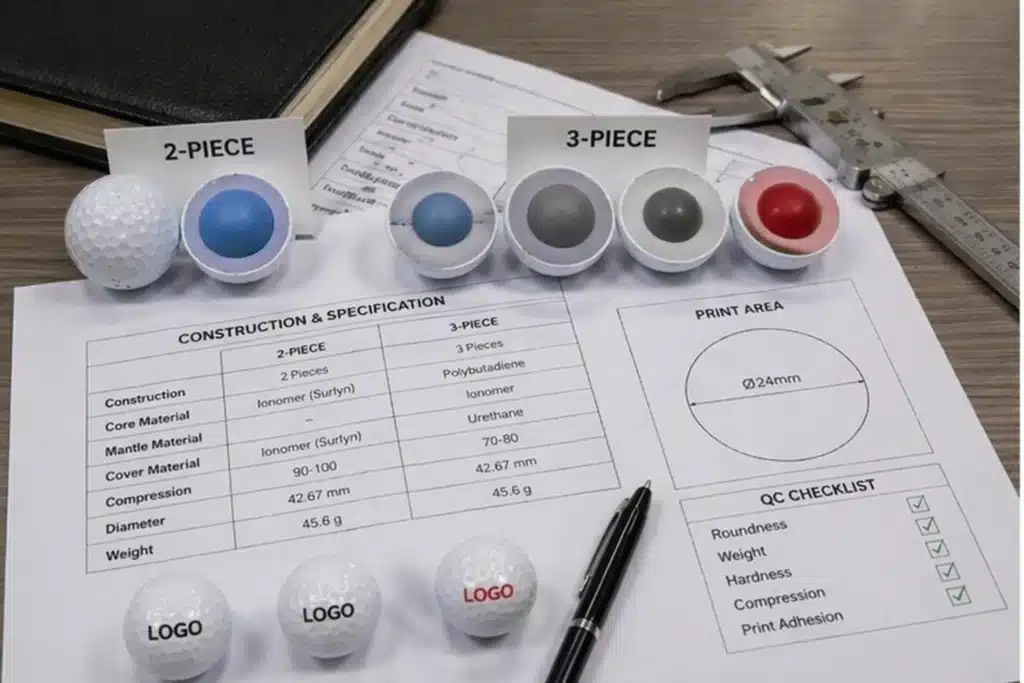
golf ball cutaway comparison with 2-piece and 3-piece specs for custom OEM selection

Should You Source 2-Piece or 3-Piece Golf Balls?

A 2-piece golf ball uses a core and cover, while a 3-piece ball adds a mantle between them. For OEM sourcing, stay with 2-piece when the baseline already meets your product goal. Move to 3-piece only when the mantle has a defined job and the finished SKU proves a useful

Read More »

Start Quote

We will contact you within 12 hours, please pay attention to the email with the suffix “@golfara.com”