Blog & News

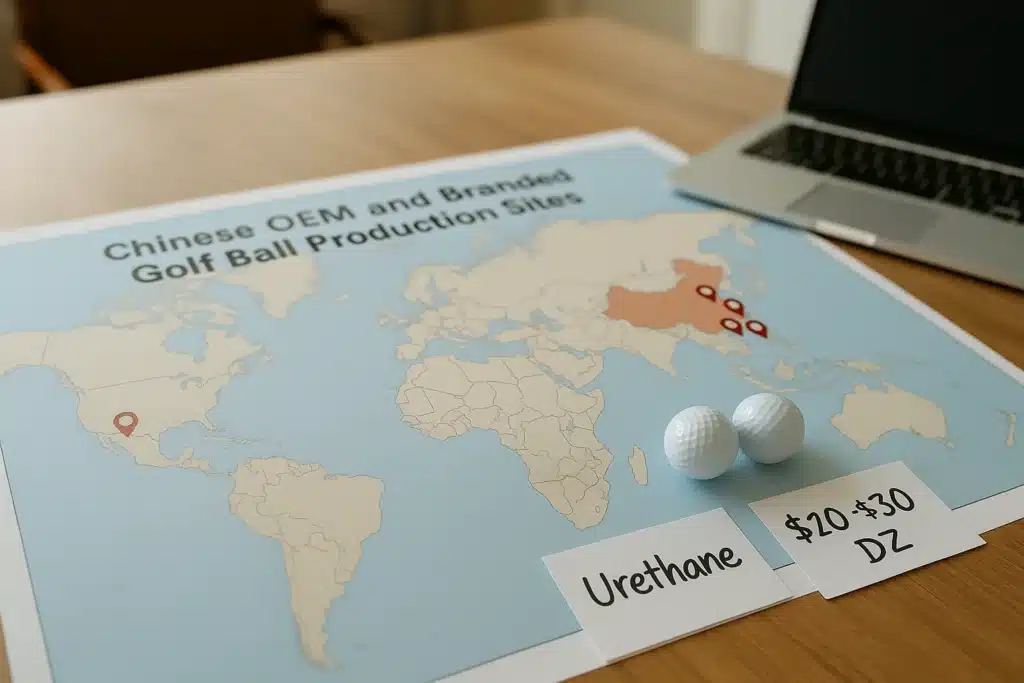
Chinese OEM golf ball production map with urethane golf balls and laptop

Chinese vs Branded Golf Balls: What’s the Real Difference?

Flagship tour urethane balls aren’t made in mainland China. Expect a half-generation gap: driver carry near parity, but 50–80-yard wedge spin is ~300–500 rpm lower unless you specify cast urethane with tight curing and SPC. As of Oct-2025: China OEM 3-layer $0.85–1.20, 4-layer $1.10–1.60; MOQ 1k–5k; 10k pcs in 20–40

Read More »
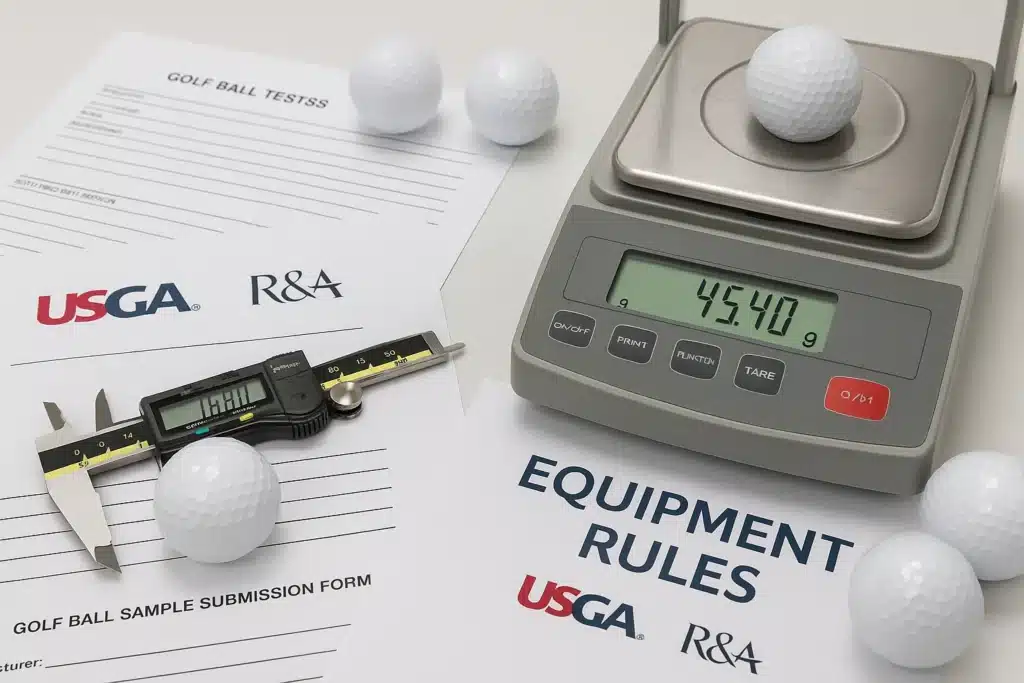
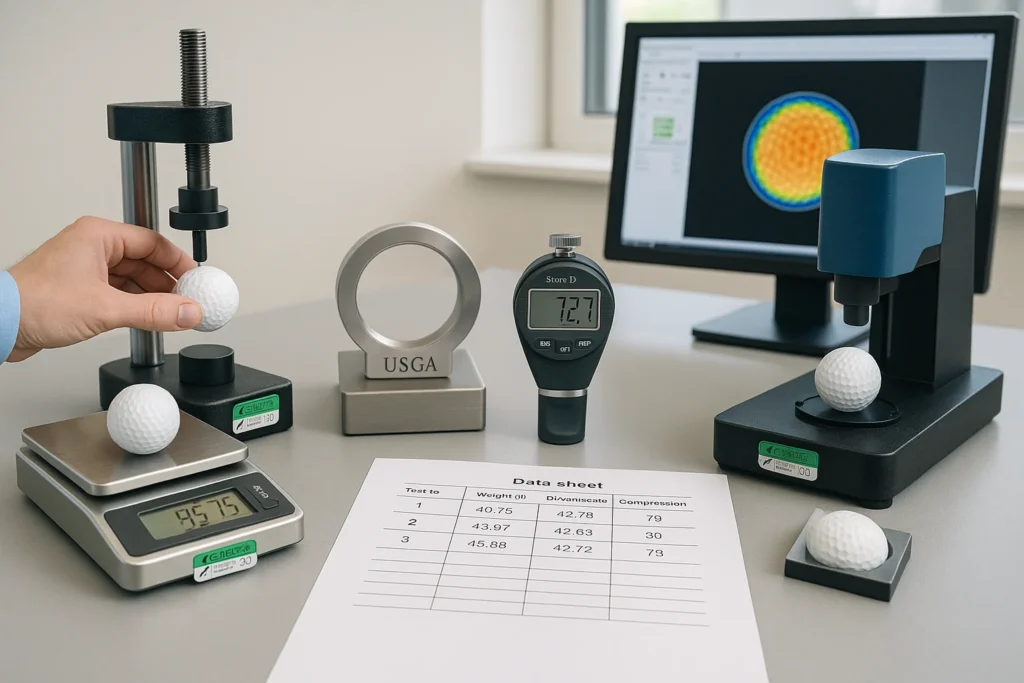
golf ball weight and size testing for OEM compliance

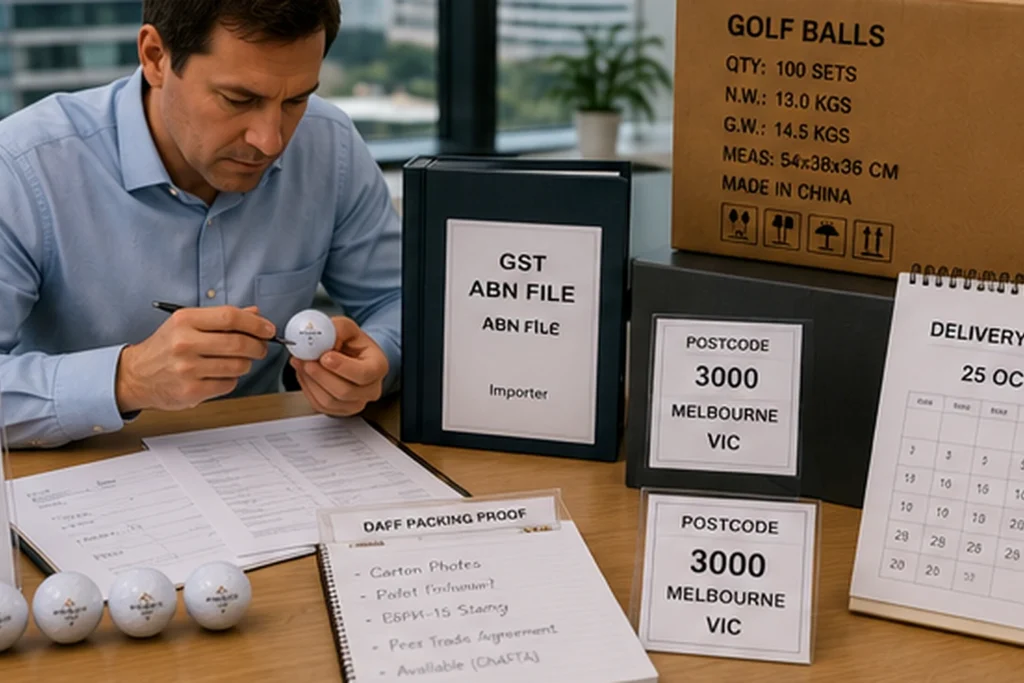
How to Certify Chinese Golf Balls for Tournament Use?

How to Certify Chinese Golf Balls for Tournament Use If you buy or private-label golf balls from China and plan to sell into events, you must think like a rules official and a QA manager. Tournament legality is simple to confirm but easy to fumble in paperwork and change control.

Read More »
OEM golf balls with iron and wood on fairway grass, for bulk wholesale buyers

Which is better for your game: Urethane or Surlyn golf balls?

You’re choosing between urethane and Surlyn. The rule of thumb is simple: if you swing fast and rely on greenside spin, urethane helps you score; if you want distance, straight flight, and durability per dollar, Surlyn wins most days. This guide turns that rule into clear specs, prices, and sourcing

Read More »
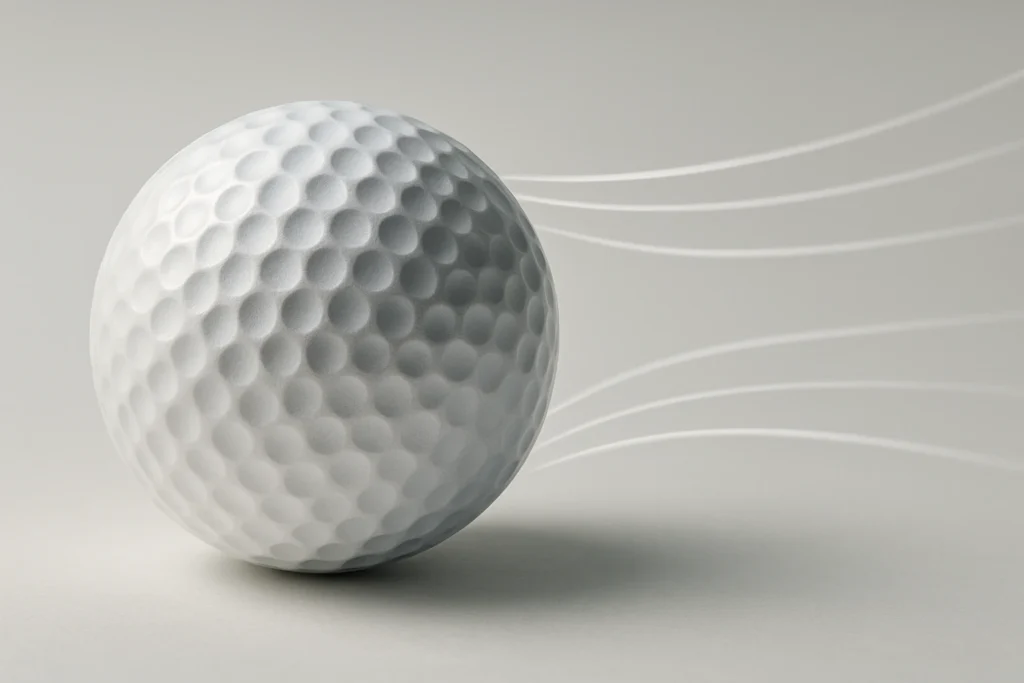
OEM golf ball with dimple aerodynamics lines, manufacturer quality focus for wholesale buyers

What Does Golf Ball Dimple Count Mean—and How to Choose?

What Does Golf Ball Dimple Count Mean—and How to Choose? Golf ball dimple count tunes aerodynamics by tripping a turbulent boundary layer to balance drag and lift. Most modern balls use ~300–400 dimples. Don’t chase bigger numbers—choose by flight window: more & shallower tends straighter/lower apex; fewer & deeper can

Read More »
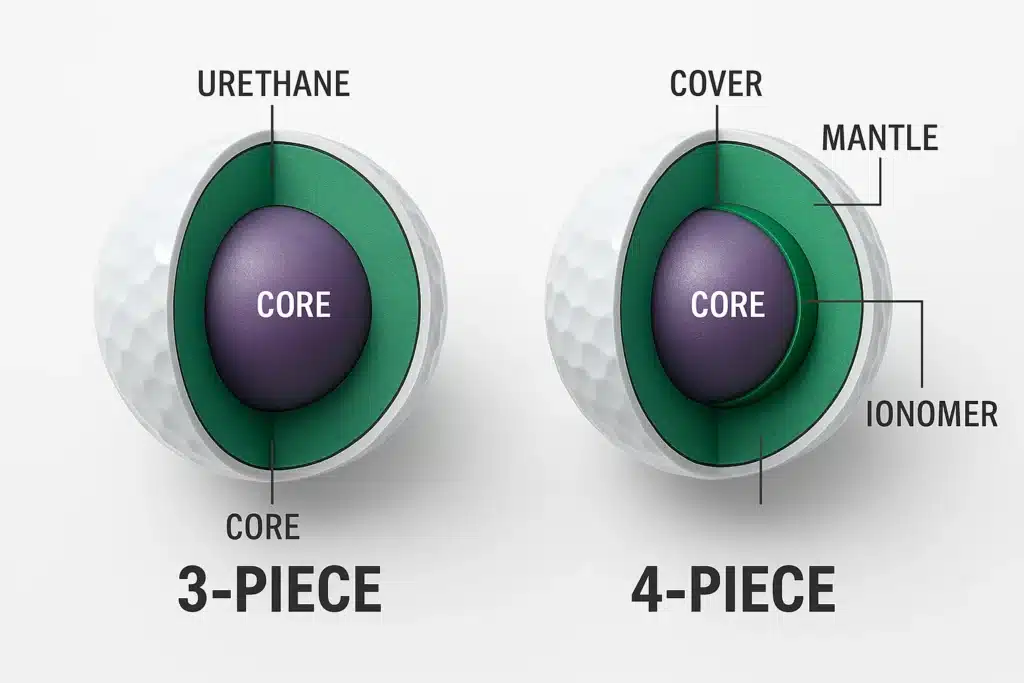
cross-section of 3-piece and 4-piece golf balls showing core and layers

3 Piece vs 4 Piece Golf Balls: Which One Is Right for You?

A 3-piece golf ball blends distance, mid launch, and soft feel for most mid-handicaps with swing speeds under 100 mph. A 4-piece adds a mantle to create stronger spin separation—lower driver spin and higher short-iron spin—suited to fast swingers and firm greens. Urethane drives tour-level greenside spin; ionomer favors durability,

Read More »
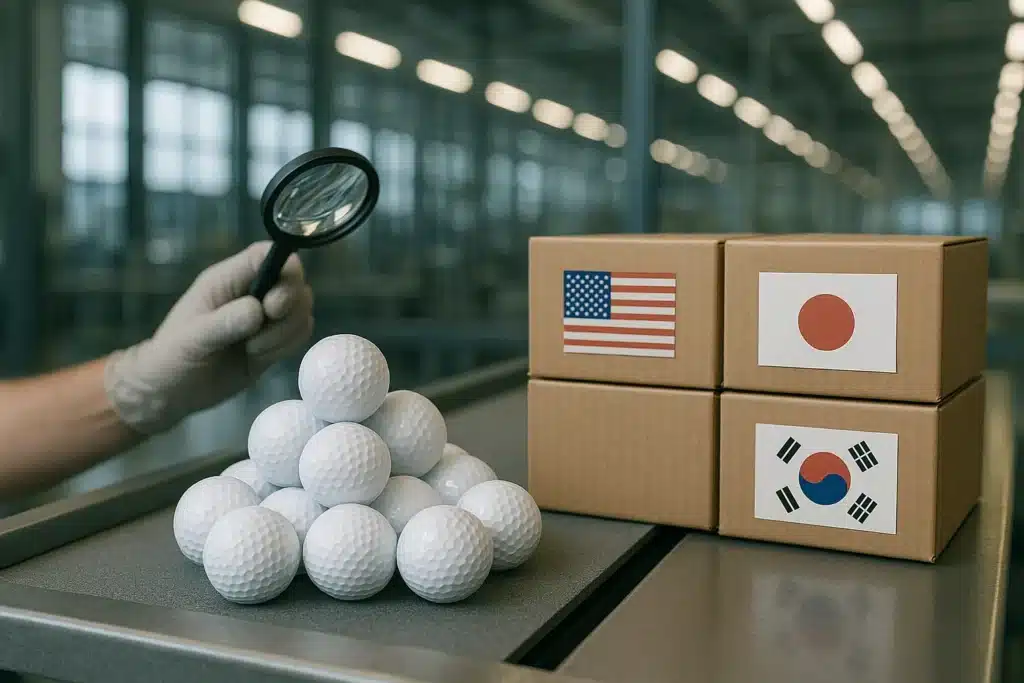
OEM golf balls inspected before export to US, Japan, and Korea

Which country makes the most golf balls?

Top by export value (OEC 2023, HS 950632) Rank Country/Region Export value (US$) 1 Taiwan (Chinese Taipei) ≈ $279M 2 (tie) Thailand ≈ $169M 2 (tie) United States ≈ $169M 4 China (mainland) ≈ $117M 5 Vietnam ≈ $45–48.5M By units (WITS / UN Comtrade) Country/Region Units Year Note China

Read More »
golf ball manufacturing process with molding and packaging machines

How Are Golf Balls Made? Processes, CTQs & QA

Step by step, golf balls are made in 10–12 stages: materials prep; core mixing; core vulcanization; core finishing; (optional) mantles; cover forming (ionomer injection or cast urethane); urethane post-cure; seam finishing; coating; pad/UV printing; final inspection; packaging. Key CTQs: compression, concentricity, dimple fidelity, paint uniformity, symmetry. Golf balls look simple—just

Read More »
golf ball specification sheet with caliper and pen for OEM quality control

How to Read Golf Ball Specs: Key Metrics & Real-World Impact

Golf ball specs translate into on-course outcomes. Diameter ≥ 42.67 mm and weight ≤ 45.93 g govern legality; compression and core design set ball speed and feel; layers and cover material tune driver versus wedge spin; dimple geometry sets lift/drag and wind stability; roundness and symmetry preserve straight flight. Read

Read More »

Start Quote

We will contact you within 12 hours, please pay attention to the email with the suffix “@golfara.com”